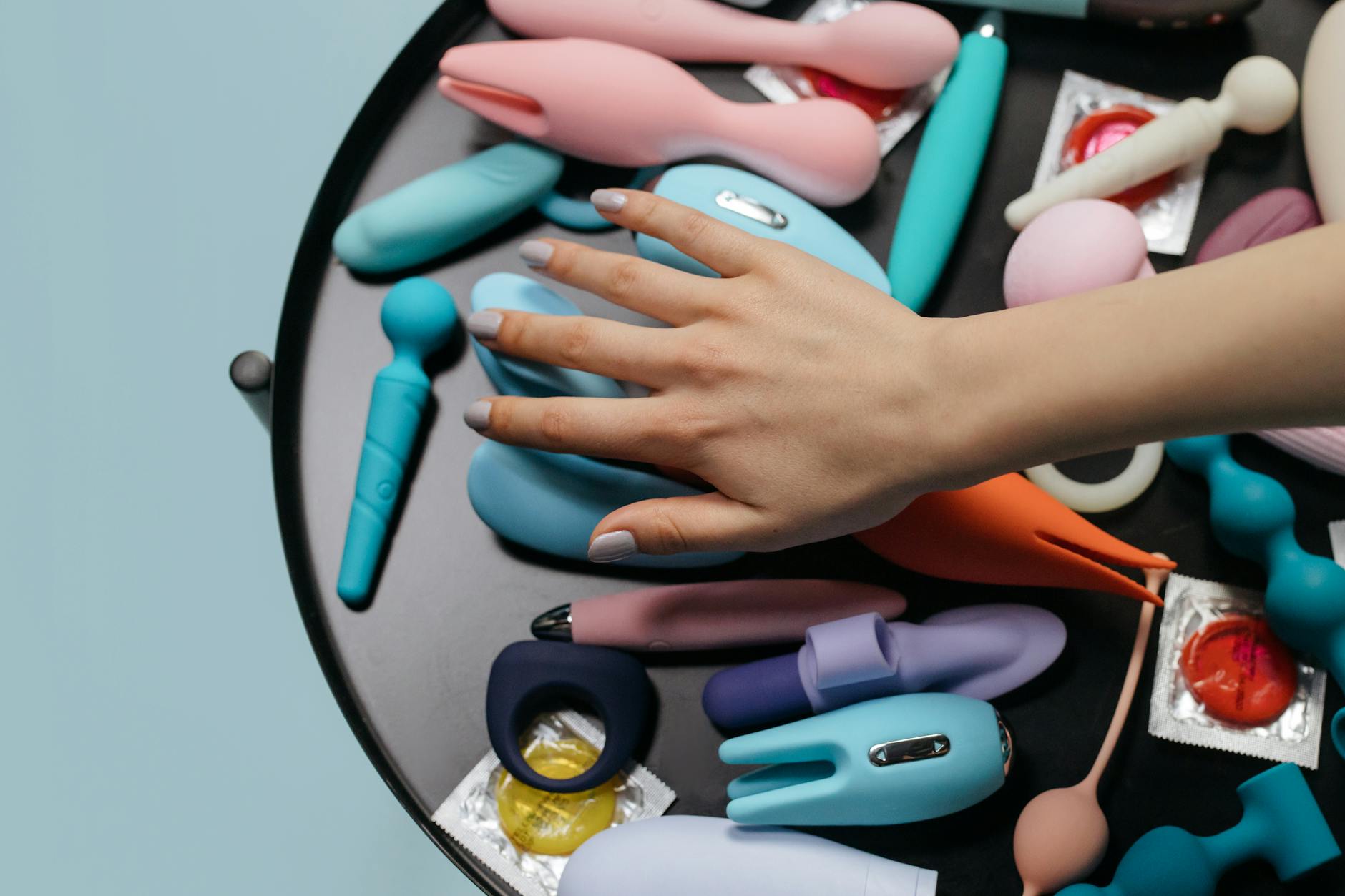
Let's be real about partnered pleasure and toys
Here's the thing. A lot of couples avoid talking about vibrators because there's a weird undercurrent of shame. Like bringing a lemon vibrator into bed means something's "wrong" or that one partner isn't "enough." That's backwards. A clitoral vibrator is just physics. It's a tool that reaches nerve clusters differently than fingers or penetration alone. Using one together doesn't diminish your connection. Done right, it deepens it.
I've worked with hundreds of couples, and the ones who introduce toys with honesty and low pressure always report the same thing. Better sensation. More reliable orgasms. And weirdly, more emotional closeness because they finally talked about what actually feels good.
Why partnered sensation often stalls
Most people don't realize this, but the clitoris has roughly 8,000 nerve endings concentrated in a space the size of a pea. During partnered sex, those nerves get intermittent, variable stimulation. Your partner's hand or mouth can't maintain the exact pressure and rhythm a lemon vibrator can. This isn't a criticism of your partner. It's just anatomy. A Lem or other quality clitoral vibrator applies sustained, precise suction that your body has learned to trust.
When couples skip to toys only after years of inconsistent sensation, one person often feels like something's missing. But if you introduce a lemon vibrator early, when you're building your sexual repertoire together, it becomes part of your language. It's not a rescue tool. It's just another way you connect.
The conversation that actually works
Don't make this mysterious. Pick a calm moment outside the bedroom. Not after sex when someone's vulnerable. Not during a conflict. Just say it straight.
"I've been thinking about trying a clitoral vibrator together. Not instead of what we do now, but alongside it. I think it could help me feel sensation I haven't felt before, and I'd like you there." That's honest without being accusatory. It frames the toy as something you're curious about, not something your partner failed to provide.
If your partner seems hesitant, ask what's behind it. Often it's fear that they'll become unnecessary, or anxiety about "doing it right." You can say: "I want your hands on me. The vibrator just handles clitoral sensation while we stay connected." That's true and it's usually reassuring.
How to actually introduce it into your routine
Start with foreplay. Not your first time ever having sex with the toy, but not during the main event either. Let your partner hold it. Let them explore how the intensity changes sensation. This shifts it from "the toy replaces me" to "we're using this together."
Try these patterns:
First introduction: Your partner brings the lemon vibrator into foreplay while using their fingers or mouth elsewhere. This splits attention and keeps both partners engaged.
Building into partnered sex: Once you're comfortable with the sensation, introduce the vibrator during penetration if that's part of your routine. The suction stimulates the clitoris while your partner provides other sensations. Most people experience deeper, more reliable orgasms this way.
External focus: Sometimes the hottest thing is when your partner uses the lemon vibrator on you while you focus on them. Roles reverse. Attention moves. Dynamics shift. All good.
The practical setup that prevents awkwardness
Honestly though. The first time you use a clitoral vibrator with a partner, there's a learning curve. Here's how to skip the fumbling.
Before you start, talk about positioning. If you're lying on your back, where will your partner sit or kneel? A Lem is cordless and intuitive, but you still need hand access. Test the angle. Make sure neither of you feels cramped or like you're performing for an invisible audience.
Charge the vibrator fully before. Nothing kills momentum like "hold on, it's at 40 percent."
Start at lower intensity patterns. The Lem has multiple settings for a reason. You don't need pattern 5 when pattern 2 is already revealing new sensations. Intensity can always go up. It's harder to scale back once you've gone too fast.
Use water-based lubricant. Even though a quality lemon vibrator uses suction, not friction, a bit of lubricant helps the seal feel more comfortable and responsive.
What better sensation actually feels like
When couples first use a clitoral vibrator together, the person receiving it often reports surprise. The sensation is more concentrated than expected. The suction builds pressure gradually instead of offering constant buzz. If you've only ever tried basic vibrators, a lemon clitoral vibrator feels like a completely different category.
Your partner will notice you respond differently. Your body might tense or relax in unfamiliar ways. Your breathing changes. The orgasm, if it happens, might feel more localized than before. All of this is normal. None of it means anything's "wrong." It just means your nervous system is learning something new.
Many couples report that after the first few times, the person receiving the vibrator becomes more vocal about what feels good. That communication? It carries into the rest of your sex life. You stop guessing. You start knowing.
When to bring it up if things feel disconnected
Look, sometimes couples use a lemon vibrator because they're trying to fix something that's actually broken. If you and your partner are disconnected, if sex feels transactional or obligatory, a toy won't solve that. It might temporarily feel better, but you're addressing sensation when the real issue is intimacy.
In those cases, how to use a lemon vibrator when you want deeper connection during partnered play explores that angle. But honestly? If your partnership is stalled, consider a conversation with a couples therapist before adding tools. The tools work best when the foundation is solid.
The first few times will feel imperfect
And that's fine. You might giggle. The angle might be awkward. Someone might accidentally fumble the settings. The sensation might feel too intense the first time. All of that is part of the process.
I tell couples: the goal isn't a flawless performance. The goal is to show up, communicate, and stay curious about each other. A lemon vibrator is just permission to slow down and pay attention to sensation you might have stopped noticing.
Handling mismatched comfort levels
One partner wants to try it. The other's hesitant. This happens, and it doesn't mean "no forever." It means you need to dig into what the resistance is actually about.
If it's discomfort: "I feel weird about using toys," then there's usually shame underneath. Reassure without pushing. Leave the toy visible on your nightstand for a few weeks. Normalize it. Sometimes familiarity alone shifts the resistance.
If it's fear: "I'm worried I'm not enough," then you're back to that reassurance conversation. The vibrator doesn't replace your partner. It works alongside them. That distinction matters.
If it's a deeper mismatch in sexual desire or openness, that's a sign you might benefit from working with someone like a sex therapist or relationship coach who can help you find middle ground.
Why the lemon vibrator specifically
If you're new to using toys with a partner, the Lem is honestly one of the easiest entry points. It's not intimidating. It's not a wand that requires positioning contortions. The suction sensation is intuitive. And it's small enough that your partner can still move around and stay connected while you're using it.
That matters. A clitoral vibrator should enhance partnered connection, not replace it.
FAQ: Your actual questions about lemon vibrators and partnership
How do I know if my partner will judge me for wanting to use a vibrator?
You won't know until you ask. But here's what I tell couples: if your partner judges you for wanting more reliable sensation or deeper pleasure, that's actually information about your relationship. A partner who shames you for exploring your own body is showing you something important about how they handle vulnerability. The vibrator isn't the issue. The judgment is. That said, most partners are less judgmental than you fear. They're usually just worried about their own role.
Can we use a lemon vibrator if we don't have much time for sex?
Actually yes. A quality clitoral vibrator like the Lem can help you reach orgasm faster and more reliably. So if time is tight, introducing a vibrator might actually make your intimate moments feel more satisfying, not more complicated. You're not adding hours. You're adding sensation.
What if using a toy makes my partner feel less interested in sex with me?
This is rare, but if it happens, it usually means the toy became a replacement instead of a complement. The fix: stay hands-on. Stay present. Use the vibrator as part of foreplay, not instead of direct contact. Your partner needs to feel their role is still essential. Because it is.
Is it okay to use a lemon vibrator while my partner is inside me?
Yes, if you both want to. This is actually how many couples get the most reliable clitoral stimulation during penetrative sex. The vibrator handles clitoral sensation. Your partner provides penetrative sensation. Different nerves. Same moment. Most people find this combination leads to deeper, longer orgasms.
How do we talk about a lemon vibrator without it feeling clinical or awkward?
Keep it short. "Hey, I want to try a clitoral vibrator with you sometime. Would you be into that?" If they say yes, great. Move on. If they say "I don't know," ask what's behind it. Most awkwardness comes from over-explaining. You're not writing a thesis. You're expressing interest in something that might feel good. Simple.
What if we've been together for years and suddenly bringing up toys feels weird?
It might feel weird for about five minutes. Then it usually feels normal. Long-term couples often hold onto old patterns because they seem safer than introducing new things. But stagnation is its own risk. Refreshing your intimate life together, even in small ways, is actually a sign of a healthy partnership. It says: I still want to explore with you.
The real outcome
When couples introduce a lemon vibrator with honesty and low pressure, what changes isn't just sensation. What changes is the conversation. You stop assuming. You start asking. You pay attention to what actually works instead of what you think should work.
That shift in communication? It travels. It shows up in other parts of your relationship. You become better at asking for what you need in general.
A clitoral vibrator is a tool. But using it as a couple is an act of vulnerability and curiosity. That's where the real connection lives.