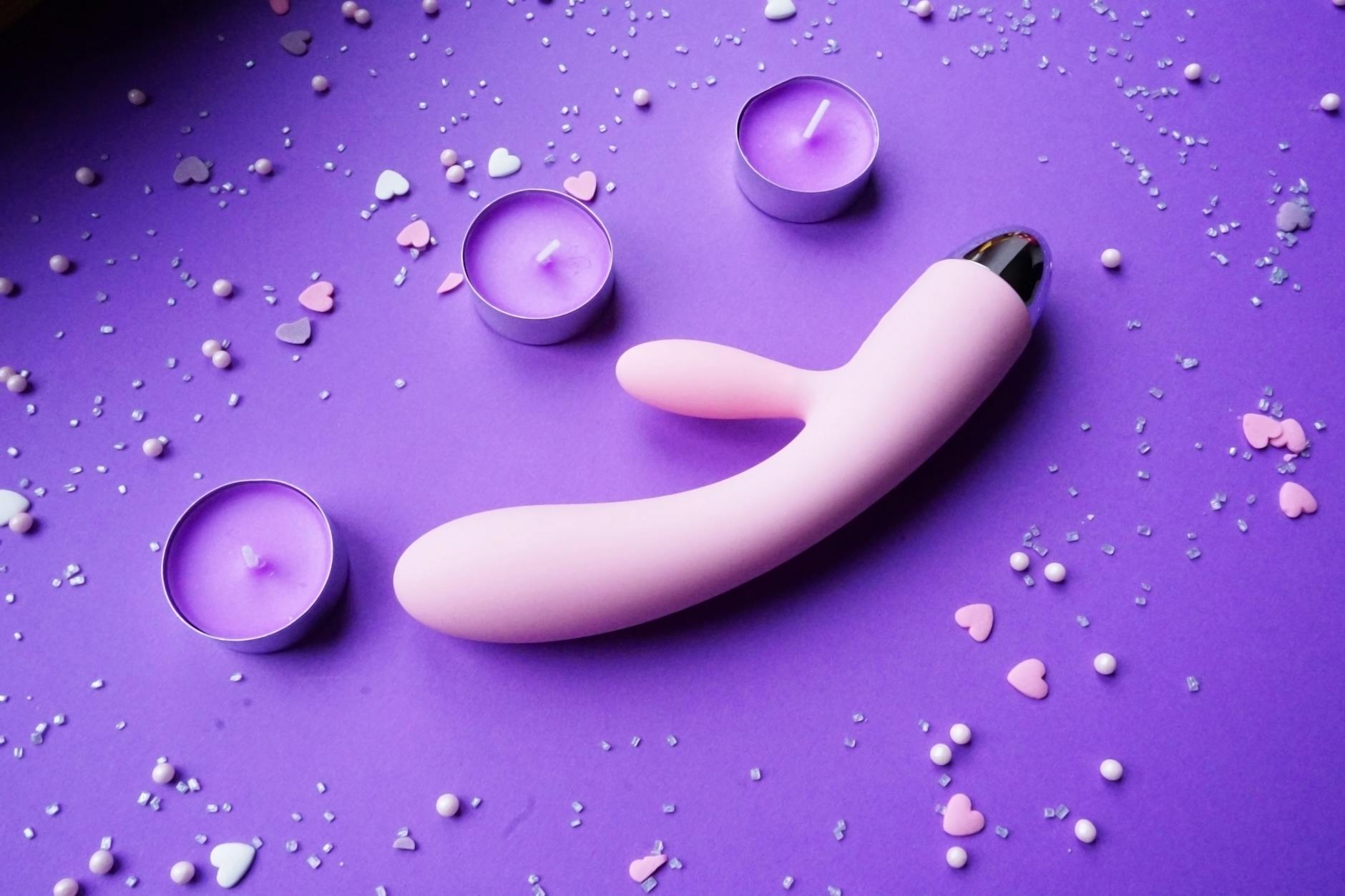
How to Use a Lemon Vibrator After Menopause for Sensitive Tissue
Let's be real. Menopause changes the game. Your tissues thin, lubrication shifts, and what felt amazing at thirty-five might feel too intense now. Here's the thing though: it's not game over. It's a recalibration.
A lemon clitoral vibrator is actually an exceptional choice for post-menopausal bodies because the suction mechanism doesn't require the same aggressive friction that traditional vibrators do. Instead of direct impact, it creates a gentle pull that stimulates nerves without overwhelming delicate tissue. But using one effectively after menopause requires a different approach than you might have used before.
I'm going to walk you through exactly how to set yourself up for comfort, safety, and the kind of pleasure that often surprises people when they finally give it real attention.
Why your lemon vibrator is perfect for sensitive post-menopausal tissue
Most traditional vibrators work through oscillation. They buzz. A lemon clitoral vibrator works through suction and pulsation instead. This distinction matters enormously after menopause.
When estrogen drops, your clitoral tissue becomes more delicate. The outer skin thins. The mucous membranes that once produced natural lubrication slow down significantly. Direct vibration against this thinner tissue can feel sharp, almost uncomfortable, even at low settings.
Suction-based stimulation bypasses this problem entirely. It creates a gentle seal and works with the nerve clusters beneath the surface rather than hammering against them. The sensation builds differently. It's less surface-level, more internal. Many people find their post-menopausal orgasms are actually more intense because the stimulation is reaching deeper nerve pathways.
Why lemon vibrators work better for sensitive skin has a deeper dive into the physiology, but the short version is this: if your tissue has become sensitive, a lemon vibrator is biomechanically better suited to your body right now than traditional buzzing vibrators.
Start with the absolute lowest setting
This is non-negotiable, and I mean that kindly.
If you've used vibrators before menopause, your instinct will be to find the "sweet spot" intensity you remember liking. Resist that. Your tissue is genuinely different now. What was moderate six years ago is intense now.
Without any vibration running yet, spend two to three minutes getting familiar with the lemon vibrator's size and shape against your body. Notice how it feels. Apply a small amount of water-based lubricant to the opening (the suction cup part) and to your vulva. This is not optional. I don't care if you think you don't need it. You do.
Turn on setting one. The lowest pulse. Leave it there. Really sit with it. You're not trying to have an orgasm in the first session. You're gathering data about what your body actually likes now, not what you remember liking.
Spend a full five minutes on setting one. If it feels genuinely pleasant, you can experiment with two. If it feels uncomfortable even slightly, stay with one for your next few sessions. Your tissue will adjust over time, and your sensitivity will likely increase as you build a habit.
Lubrication is not optional, it's foundational
I want to be direct here because I see people skip this and then convince themselves they can't use vibrators anymore.
Post-menopausal tissue needs external lubrication. This is not a personal failure. This is physiology. Your body is not broken. It's responding to a real hormonal shift.
Use water-based lubricant every single time. Silicone lube feels richer and lasts longer, but it will damage silicone toys like the lemon vibrator. Water-based is your move.
Apply it generously. Not aggressively, but genuinely. Coat the suction cup opening. Coat your external tissue. If it feels wet, that's right. Reapply halfway through if you're taking your time building up. The more comfortable your tissue is, the faster you'll reach genuine arousal and the more intense the pleasure will be. Lube is not a shortcut. It's the foundation.
Build arousal before you bring in the tool
This matters at any age, but it matters even more now.
Don't pull out your lemon vibrator as your opening move. That's like starting a song on the chorus. Your body needs a runway.
Spend ten to fifteen minutes getting mentally present and physically warm. This might mean reading something that turns you on. It might mean touching yourself without any tool. It might mean fantasizing, watching something, or just lying there and noticing what your body wants. The point is to shift out of "go mode" and into genuine receptivity.
Your clitoral tissue actually engorges with blood during arousal, which makes it less sensitive to pressure and more responsive to stimulation. You're also building natural lubrication, even if it's minimal. You're priming your nervous system. Then you bring in the tool.
This is not a longer process. It's a different process. The payoff is that when you finally use your lemon clitoral vibrator, your body is actually ready for it.
The positioning that works best for post-menopausal bodies
Here's something that shifts after menopause: your pelvic floor changes.
Estrogen supports pelvic floor muscle elasticity. When it drops, that muscle tends to tighten. This is actually common and treatable, but it means that some positions that were comfortable before might create tension now.
When using your lemon vibrator, lie on your back with a pillow under your lower back or hips. This tilts your pelvis slightly and takes pressure off your pelvic floor. Keep your legs relaxed and slightly apart. Not splayed. Just open enough that you're not creating internal tension.
Avoid positions where you're squeezing your legs together or clenching your pelvic floor. I know that was probably instinctive before, but now it works against you. Your body will actually respond more easily to the lemon vibrator if your pelvic floor stays relaxed.
How to actually use the settings without overdoing it
The lemon vibrator has multiple settings. Your job is not to get through all of them.
Start on setting one. Once you're genuinely aroused, you might move to setting two or three. The movement between settings should feel natural and pleasurable, not like you're chasing something.
Here's a timeline that works for most people: ten minutes building arousal. Five to ten minutes on setting one. Then if it feels good, experiment. If setting two feels too strong, that's completely fine. You might spend your entire session on settings one and two, and that's perfect.
Menopause orgasms are often different in texture. They might feel more internal, less explosive. They might build more slowly. This is not worse. It's just different. Give yourself permission for that difference.
Common discomfort and how to troubleshoot
Discomfort during or after. This usually means one of three things: not enough lubrication, too high intensity too quickly, or pelvic floor tension. Pause. Add more lube. Drop the setting down. Take a breath and relax your pelvic floor actively.
Feeling numb or not much sensation. This is often dehydration or tension. Drink water. Take a break. Come back in an hour when your tissue has had time to recover. Over time, as you use your lemon vibrator regularly, sensitivity actually improves.
Roughness or irritation after. You might be using it too intensely or too long. Post-menopausal tissue recovers more slowly from friction. Shorter sessions, lower settings, and more generous lubrication help. If irritation persists, pause for a few days and let tissue recover.
None of these mean your lemon vibrator isn't right for you. They mean you're finding the right dial for your body right now.
Maintenance matters more after menopause
Your tissues are more delicate. That means the cleanliness and condition of your lemon vibrator matters more.
Wash it before and after use with warm water and mild soap. Dry it completely. Store it in a clean place away from dust. If the silicone starts to feel sticky, that's a sign it needs cleaning. Sticky silicone can slightly irritate sensitive tissue.
Check the condition of the suction cup regularly. If it's cracking or peeling, it's time to retire it. You deserve tools that are in good condition.
When to talk to a doctor
If you're experiencing pain during stimulation that doesn't improve with lubrication and lower intensity, talk to your gynecologist.
Genitourinary syndrome of menopause is real and common. Topical estrogen creams address this, and they work fast. You don't have to white-knuckle through pain. Treatment exists.
If you're interested in testosterone therapy or concerned about your tissue health generally, bring it up. Many doctors trained in menopause health (look for NAMS certified practitioners) have tools and knowledge that can make a genuine difference.
FAQ: Lemon Vibrators and Post-Menopausal Bodies
Is it normal that I need more lubrication than I used to?
Completely normal. Estrogen regulates vaginal lubrication, and when it drops, your body produces less natural moisture. This is not a sign that your lemon vibrator isn't working or that something is wrong with you. It's physiology. Water-based lubricant is your ally. Use it generously and without shame.
Can I use my lemon vibrator if I'm on hormone replacement therapy?
Yes. HRT changes the tissue quality, often making it less dry and more elastic. Your comfort with vibration might actually improve. You may find you can use higher settings or longer sessions than you could before HRT. Listen to your body. It will tell you what's changed.
How long should a session last after menopause?
Start with ten to fifteen minutes total, including warm-up time. As your body adjusts, you might go longer. Pay attention to tissue comfort. If you notice irritation, you've gone too long. Shorter, regular sessions are better than occasional long ones.
Should I use a condom on my lemon vibrator for safety?
Not necessary. Clean it before and after use with warm soapy water and dry completely. If you share toys, condoms are a sensible barrier for STI prevention. But for solo use, good hygiene is sufficient. The lemon vibrator is nonporous silicone, which doesn't harbor bacteria the way porous materials do.
Will using my lemon vibrator regularly increase my sensitivity over time?
Yes. In my experience with clients, regular use actually improves sensation post-menopause. Your body adapts. Neural pathways strengthen. What feels subtle in month one often feels more intense by month three. Consistency matters more than intensity.
Can I use my lemon vibrator if I have vaginal atrophy?
Yes, but with care. Start on the lowest setting. Use generous lubrication. If there's pain, pause and talk to your doctor about topical estrogen. Once tissue quality improves with treatment, your lemon vibrator experience will improve too. The tool works best when tissue is healthy enough to respond.
You're not starting over. You're upgrading.
Menopause is not the end of your sexual life. It's a recalibration. Your body is different now, and that means some tools fit better, some approaches work smarter, and some sensations are actually richer than they were before.
A lemon clitoral vibrator is built for sensitive tissue and for the kind of deeper, more internal stimulation that many post-menopausal bodies respond to beautifully. You're not compromising. You're being honest about what you actually need.
Start low. Use lube. Be patient with yourself. Your pleasure is not behind you. It's often waiting in a completely different place than you expected.
If you have questions about your body, your pleasure, or your relationship during this transition, we're here to listen. Reach out anytime.