Here's what nobody tells you about sensation flatness
After years with the same toy or technique, orgasms can feel like a dimmed light switch instead of a flood. It's not that you're broken. It's that your nervous system has learned to predict exactly what's coming, and your brain stops paying attention. This is called habituation, and it affects everyone eventually, regardless of age or experience.
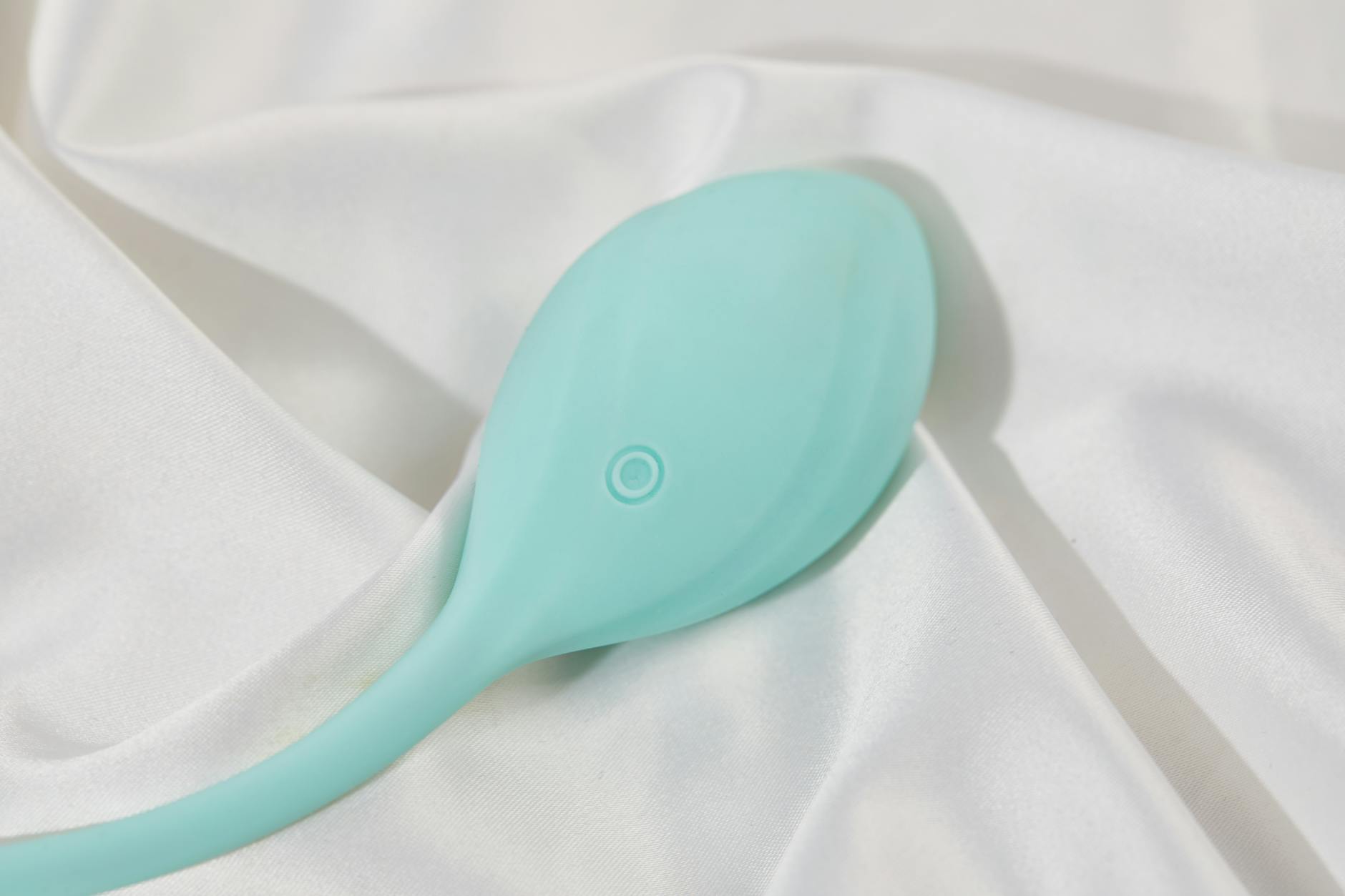
The good news? You can reset it. Air-suction clitoral vibrators like the Lem deliver stimulation so different from traditional vibration that your nervous system perks back up. Within weeks, most people report stronger, more localized orgasms. Here's how to use that difference to your advantage.
Why sensation flattens after long-term use
Your clitoris has about 8,000 nerve endings concentrated in a space smaller than a pea. When you use the same vibration pattern, frequency, and pressure for months or years, those nerves stop firing as enthusiastically. Your body thinks it already knows the story.
This is true whether you've been using the same vibrator, the same hand technique, or the same partner rhythm for years. The nervous system craves novelty. Without it, pleasure becomes routine.
Worse, many people respond by turning up the intensity on their existing toy. That can work short-term, but it teaches your nervous system to need even more stimulation to register pleasure. You end up chasing higher speeds, which eventually can dull sensation further.
Air-suction technology (sometimes called pneumatic or pulsing suction) works on a completely different principle. Instead of vibration, it creates gentle waves of suction and release that stimulate the nerve clusters around the clitoris without the repetitive mechanical friction. For people with flattened sensation from long-term use, this difference is the reset button.
The reset protocol: how to rebuild orgasm intensity
If you've been using traditional vibrators for years and your orgasms have become predictable or muted, here's the framework I recommend.
Week 1-2: Lower your baseline intensity. If you normally use a traditional vibrator at patterns 6-10, put that toy away completely for two weeks. This isn't punishment. You're starving your nervous system of the stimulus it's habituated to, which makes it sensitive again.
Use your new lemon clitoral vibrator on patterns 1-3 (the lowest settings). Yes, it will feel weaker. That's the point. You're retraining your body to notice gentler stimulation. Most people find this surprisingly satisfying once they adjust.
Week 3-4: Extend your warm-up. Orgasms after long-term use often feel shallow because the arousal phase is rushed. When you're habituated, the body doesn't need much time to reach a peak, but the peak stays low.
Instead, spend 20-30 minutes on foreplay, penetration, or partner touch before ever touching the toy to your clitoris. Let arousal build gradually. When you finally use your lemon vibrator, it will feel significantly more intense because your nervous system is fully engaged.
Week 5+: Alternate intensity levels. Once you've rebuilt baseline sensitivity, you can play with patterns. Use your lemon vibrator at pattern 3 for 2-3 minutes, then jump to pattern 5 for 30 seconds, back to pattern 3. This variation keeps your nervous system guessing and deepens the overall sensation.
What makes air-suction different from traditional vibration
Most vibrators use motors that shake at speeds between 3,000-8,000 cycles per minute. Your nervous system gets used to that rhythm quickly. Air-suction creates a different sensation entirely: gentle pressure waves that pulse rather than shake.
For people with flattened sensation, this difference is significant. You're not adding more stimulation. You're adding a completely different type of stimulation, which your nervous system hasn't learned to ignore yet.
There's also a psychological component. If you've been using the same toy for five years, your brain has deep associations with it. Picking up a new toy signals novelty to your whole nervous system, not just your clitoris. That alone can restore intensity.
Common mistakes when trying to rebuild sensation
Don't skip the low-intensity phase just because it feels "less powerful." I know the temptation. You want to feel amazing immediately. But the entire point is that your nervous system has learned to ignore high intensity. Starting low rewires that.
Don't jump back to your old toy too soon. If you use your old vibrator at high intensity while you're still rebuilding sensitivity, you'll reset the clock on habituation. Give yourself at least 4-6 weeks of exclusive air-suction use before reintroducing anything else.
Don't assume one toy will work forever this time. The goal isn't to find the perfect permanent solution. It's to understand that sensation naturally flattens over time, and refreshing your approach every few years is normal and healthy. Some people rotate between two or three toys to prevent re-habituation. That's smart, not excessive.
The partner dynamic when you're rebuilding intensity
If you have a partner, let them know what you're doing and why. Sensation flatness after long-term use isn't about them or your relationship. It's about nervous system adaptation. Your partner might feel hurt or confused if you suddenly introduce a new toy or need longer warm-up time.
Honesty works better. Tell them: I want to reset my sensation and rebuild stronger orgasms. That means I'm trying something different for a few weeks. Here's what I need from you. Then be specific. Do you need them to focus on foreplay before the toy? Do you need them to not touch you for the first part of your session? Do you want them to hold you after?
Most partners actually find this exciting. You're taking pleasure seriously, and there's something deeply connecting about rebuilding intimacy together.
Timeline expectations for rebuilt sensation
Most people notice deeper orgasms within 3-4 weeks of consistent use with a lemon clitoral vibrator. Some notice it within days. The wide range depends on how long you were habituated, how sensitive your clitoris is, and how consistently you follow the protocol.
You'll know it's working when orgasms start feeling more localized, more intense in specific areas rather than a general vibrating sensation, and when you start having multiple orgasms more easily. These are signs your nervous system is reengaging.
The maintenance phase: keeping sensation strong
Once you've rebuilt intensity, you don't need to go through this reset every year. But you do need to stay intentional about novelty.
Rotate your approach. Some sessions, use your lemon vibrator on lower patterns. Some sessions, use higher patterns. Some sessions, use it for just 30 seconds at the end of other stimulation instead of as the main event. Some sessions, go entirely without toys.
Consider adding a second toy to your rotation. You don't need a huge collection. Two toys used alternately prevent the nervous system from habituating to either one.
Pay attention to your own body. If you notice orgasms flattening again, take it as information. It's not a failure. It's your nervous system telling you it needs something new. That might mean changing intensity levels, changing techniques, or changing partners. Listen to that signal.
FAQ: rebuilding sensation and air-suction vibrators
Can you use a lemon vibrator if you've had the same toy for 10+ years?
Absolutely. Long-term habituation is actually one of the clearest cases where air-suction makes a difference. Start at the lowest intensity and give yourself permission to spend 4-6 weeks in the reset phase. Your nervous system will respond.
Does habituation happen faster with air-suction vibrators than traditional ones?
No. Habituation is about nervous system adaptation, not the type of toy. You'll eventually habituate to air-suction if you use it the same way every single day for years. But because air-suction creates a different sensation, it typically takes longer to flatten than traditional vibration.
What if you rebuild sensation but still feel like something is missing?
That might signal a different issue. Flattened sensation sometimes masks low desire, relationship disconnection, or hormonal shifts. If you've spent 4-6 weeks on the reset protocol and still don't feel the intensity you want, it's worth checking in with a therapist or doctor about whether something else is going on.
Can you rebuild sensation if you have a partner and you're embarrassed about the toy?
Yes, and you have options. You can use the toy solo for 4-6 weeks to rebuild sensation, then introduce it to partnered sex once you're feeling strong orgasms again. Or you can have an honest conversation with your partner about why you want to reset sensation. Most people find that conversation bridges shame faster than avoiding the topic.
How do you know when you're ready to move on from the reset protocol?
When you've had 3-4 consistently strong orgasms in a row using lower-to-mid intensity levels. That tells you your nervous system is reengaged. You can then start playing with higher intensities and more variation.
What's the difference between a lemon vibrator and other air-suction toys for this purpose?
All air-suction clitoral vibrators (including the Lem and other lemon adult toys) work on the same principle. The Lem is designed with a wider opening and gentler suction curve, which some people find more comfortable during the reset phase. But any quality air-suction toy can rebuild sensation. The brand matters less than consistency and patience.
The bottom line
Orgasms don't have to feel weaker after years of the same touch. They flatten because your nervous system has learned the pattern and stopped paying attention. An air-suction clitoral vibrator like the Lem breaks that pattern by offering a completely different sensation. Pair it with a structured reset (low intensity for weeks, longer warm-up, conscious variation), and you'll rebuild the orgasm intensity you thought you'd lost. Your pleasure matters too much to let habituation win.
If you're ready to try a different approach, start here. We can help you figure out what reset protocol matches your situation.