
When sensation goes quiet
You've probably noticed it. The clitoris that used to respond instantly now feels muted, distant, almost like it's behind glass. Touch that would have sparked something five years ago barely registers. You're not imagining it, and you're definitely not alone. Clitoral numbness or diminished sensation is one of the most common issues people bring up, and it's almost always fixable.
Here's what nobody explains clearly: numbness isn't a failure of your body. It's a signal. And the right tool, used the right way, can rebuild that connection.
What actually causes clitoral numbness
Five main culprits show up over and over in conversations with clients.
Repetitive pressure from one source. If you've been using the same vibrator in the same way for months or years, your nerve endings adapt. They literally stop firing the way they used to. This is called habituation. Your clitoris isn't broken, it's bored.
Hormonal shifts. Birth control, perimenopause, or other hormonal changes can reduce blood flow to the clitoris, which means less plumpness, less engorgement, less natural lubrication. Thinner tissue conducts stimulation differently. It feels duller.
Numb sitting habits. Prolonged pressure on the perineum from cycling, desk work, or tight clothing can compress the nerves that feed sensation to the clitoris. You don't feel it happening in the moment, but over months, it adds up.
Medication side effects. Antidepressants, blood pressure medications, and some antihistamines can dull genital sensation as a side effect. If this happened to you after starting a new script, it's worth asking your doctor about alternatives.
Psychological distance. Stress, anxiety, distraction, or emotional distance in a relationship can disconnect you from sensation even when tissue is perfectly healthy. The body stops responding because the brain isn't fully present.
The good news? Most of these respond quickly to the right intervention.
Why a lemon vibrator works differently
A traditional vibrator moves up and down or side to side at high speed. It's pressure plus motion. For someone with reduced sensation, that can feel like nothing at all. You turn it on, and it's just noise.
A lemon vibrator works by suction. It gently pulls the clitoral tissue upward, then releases. This creates a completely different sensation pathway.
Here's why that matters: suction stimulates nerves that might be sleeping under traditional vibration. It creates gentle negative pressure, which brings blood flow to the area in a way that rebuilds sensitivity. It's like waking up a part of you that had gone quiet.
For people with diminished sensation, this is often the breakthrough moment. They'll say things like "I felt that" or "That's different," because suction hits nerve endings that traditional vibration has trained themselves to ignore.
The technique that rebuilds sensation
Using a lemon vibrator when sensation is numb requires patience and intentionality. This isn't about chasing an orgasm. It's about rebuilding the connection.
Start with no stimulation at all. Before you turn anything on, spend five minutes just touching the area with your fingers. No agenda. No pressure to feel anything. Just attention. This sounds basic, but it's how you tell your nervous system "we're paying attention here."
Turn on the lowest setting. Not the one you think you need. The one that feels almost too subtle. If your lemon vibrator has patterns or intensity levels, start at level one or two. The goal right now is sensation awareness, not orgasm.
Move slowly. Don't hold it in one spot. Let it move gently across the clitoral hood, the sides, the area around the clitoris. This variety prevents the habituation that made you numb in the first place.
Stop before you think you need to. If you start to feel something and the impulse is to speed up and push for an orgasm, don't. Stop. Breathe. Come back tomorrow. You're rebuilding sensitivity, and that happens through repetition and restraint, not through chasing intensity.
Set a time limit. Ten to fifteen minutes. That's it. Sensitivity rebuilds through consistency and brevity, not marathon sessions.
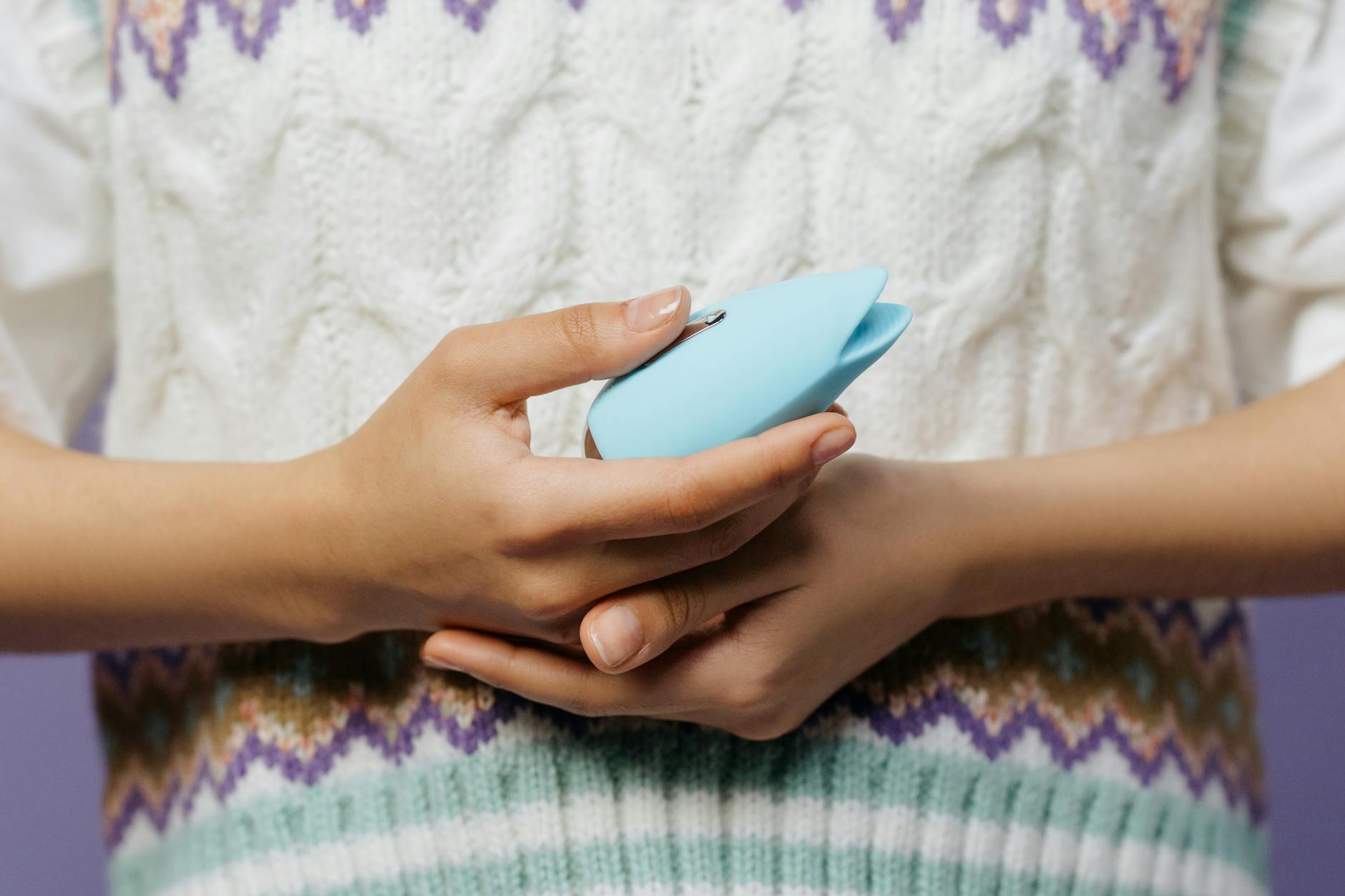
Photo by cottonbro studio on Pexels
The timeline for rebuilding sensation
This varies, but most people start noticing a shift within a week of consistent, low-pressure use. Some feel it after three sessions. Some take two to three weeks. The difference usually depends on what caused the numbness in the first place.
If it's medication side effects, you're probably looking at longer. If it's habituation, faster. If it's hormonal, you might need to layer this technique with other interventions (more on that below).
The important thing: don't give up after two sessions. That's not enough data. Give yourself at least ten days of consistent, gentle use.
When to add other tools
Sometimes a lemon vibrator alone isn't enough, especially if hormonal factors are at play. Here's when to layer in additional support.
If you suspect hormonal causes. Talk to your doctor about topical estrogen cream if you're perimenopausal or postmenopausal. If you're on birth control, ask about lower-dose options. These conversations feel awkward, but they're worth having. Sensation often bounces back when hormones stabilize.
If stress and distraction are in the mix. The numbness might be partially neurological (your actual nerves are less responsive) and partially psychological (your brain isn't tuned in). In that case, add a meditation or grounding practice before your lemon vibrator session. Spend five minutes just breathing, noticing your body, getting present. Then use your vibrator. The combination is often more effective than either alone.
If cycling or sitting is the issue. This one's straightforward. Change the behavior. Padded bike shorts, standing desk time, looser clothing. Give the nerves room to recover. Sensation typically returns within a few weeks once pressure is off.
The patience piece
I'll be honest: rebuilding sensation requires something a lot of people are bad at. Patience. Not the resigned "I guess I'll wait" kind. The active, intentional kind where you're genuinely curious about what you'll feel tomorrow, or next week.
Your clitoris didn't lose sensation overnight, and it won't regain it overnight either. But it will. The tissue is still there. The nerves are still there. They're just dormant. A lemon vibrator, used gently and consistently, wakes them back up.
Most of my clients who've dealt with this tell me the same thing afterward: "I forgot what that felt like." And then they get it back.
People also ask
Is clitoral numbness permanent?
No. In almost all cases, sensation returns once you address the underlying cause. Whether that's switching vibration techniques, adjusting birth control, or reducing stress, numbness is responsive to intervention. The timeline varies (sometimes days, sometimes weeks), but complete permanent numbness is extremely rare.
Can I use my regular vibrator while I'm rebuilding sensation?
Not if you want the fastest results. Stick with your lemon vibrator for at least two to three weeks while sensation is rebuilding. The suction works differently than traditional vibration, and mixing the two can confuse your nervous system's re-learning process. Once sensation is back, you can diversify.
What if I feel nothing even on the lowest setting of a lemon vibrator?
That's actually useful information. It tells you the numbness is deeper than just habituation, and you probably need to address the underlying cause first. If it's hormonal, see a doctor. If it's medication, talk to your prescriber about alternatives. If it's stress, prioritize that first, then come back to the vibrator. A lemon vibrator is a tool, not a magic wand.
Why does suction feel different than vibration when sensation is numb?
It's about which nerve pathways it activates. Traditional vibrators stimulate nerves through rapid pressure. Suction activates a different set of nerve endings that respond to gentle pulling and negative pressure. For someone with diminished sensation, that different pathway can feel like sensation when the usual one has gone quiet.
How long until I can orgasm again if sensation is numb?
Orgasm might not be the goal while you're rebuilding, and that's okay. Most people find that orgasm returns naturally once baseline sensation is restored. That might take two weeks, or it might take a month. The order matters: sensation first, arousal second, orgasm third. Rush it and you'll stay stuck.
Should I tell my partner that I'm working on rebuilding sensation?
That depends on your relationship and communication style. But yes, eventually, a good conversation helps. You might say something simple like: "I've noticed sensation has been off, and I'm doing some solo exploration to figure out what works. It's not about you, it's about reconnecting with my own body." Most partners appreciate the honesty and the fact that you're taking action instead of just avoiding intimacy.
The bigger picture
Clitoral numbness is a body problem, but it lives in a relationship context. If you're experiencing it, your partner probably senses something is off, even if you haven't said anything out loud. That can create distance, tension, or assumptions that aren't true.
If you're concerned about how this affects intimacy with your partner, the conversation is worth having. Not to fix things for your partner. To keep your own pleasure in the center, where it belongs. Your sensitivity matters. Your sensation matters. And the time you spend rebuilding it is time you're investing in yourself.
A lemon vibrator is just the tool. Your attention, your patience, and your willingness to be curious about what your body can feel again is what actually rebuilds the connection.