Here's what pain during sex actually takes from you
Let's be real. When penetration hurts, sex stops being a shared experience and becomes something you're bracing yourself for. The anticipatory dread starts the moment your partner touches you. Your nervous system learns to tense up before anything even happens. You lose the ability to relax into sensation, which is kind of the entire foundation of pleasure.
What people often miss: the pain isn't just physical. It fractures intimacy because you and your partner end up in a standoff. They feel guilty. You feel broken. Everyone's tiptoeing around the elephant in the room.
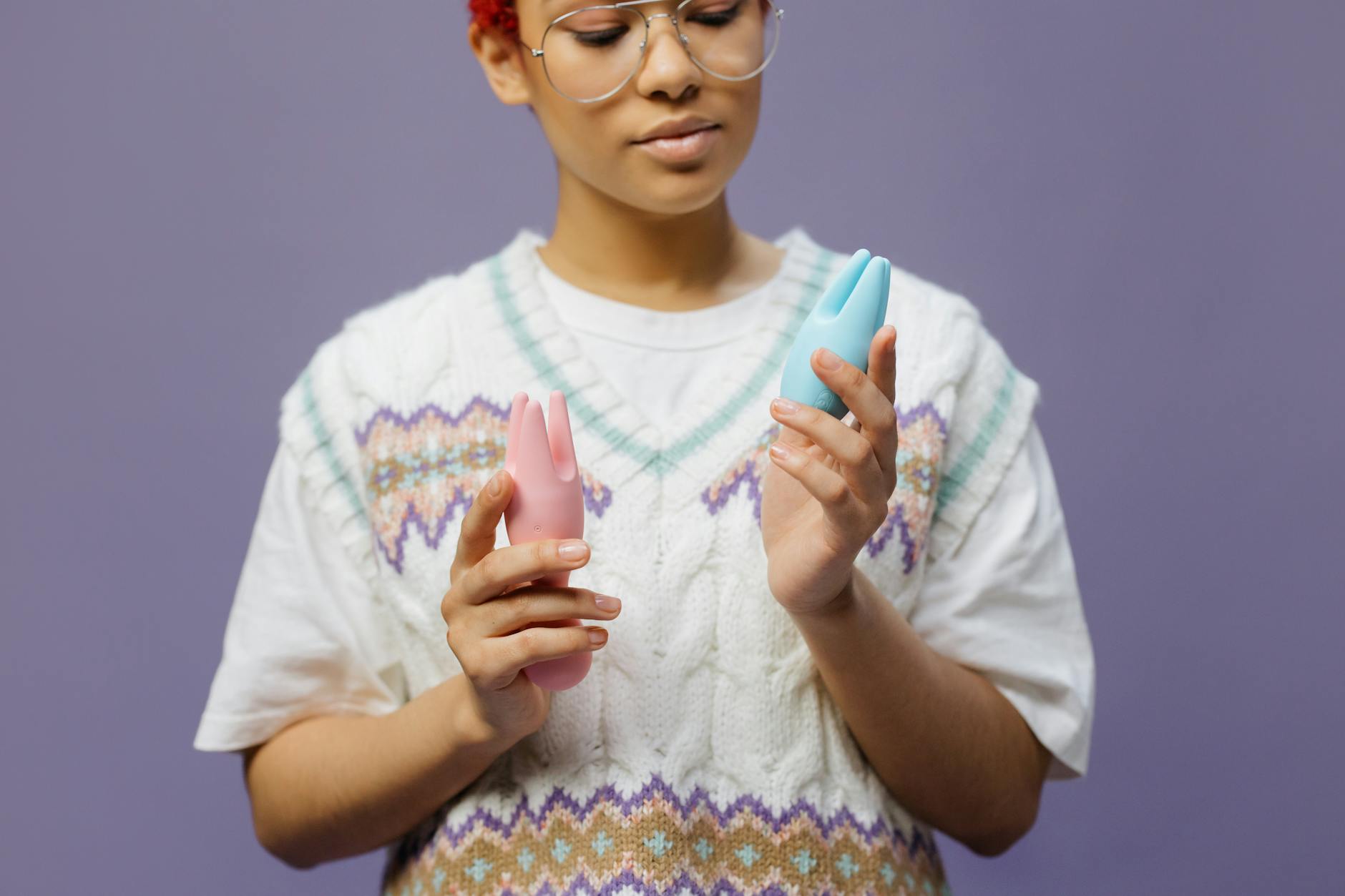
But here's the thing nobody tells you. Clitoral pleasure doesn't require penetration, and rebuilding it is one of the fastest ways to restore your confidence and connection. Lemon vibrators, specifically, work exceptionally well because they're designed around sensation without pressure. This matters when your body has learned that certain types of touch lead to pain.
Why pain during intercourse changes your entire relationship to pleasure
Dyspareunia (painful intercourse) rewires your brain's arousal response. Instead of anticipating pleasure, your system starts predicting pain. This is actually protective in the short term. Your nervous system is trying to keep you safe. The problem is it doesn't turn off.
When you use a lemon clitoral vibrator, you're doing something radical. You're telling your body that touch can still feel good. You're rebuilding the neural pathway between sensation and pleasure, but in a context where you have full control.
The suction pattern that lemon vibrators use (gentle air-pulse technology, not direct vibration) feels different from penetrative pressure. This is crucial. Your nervous system doesn't categorize it the same way. It's new information. New evidence that your body can feel pleasure without pain.
The first step: separating clitoral pleasure from penetration
Most people try to jump back into partnered sex before they've done their own nervous system recalibration. This usually fails because you haven't given yourself permission to feel good on your own terms.
Start with solo play using your lemon vibrator. Not as a stepping stone back to intercourse. As its own complete experience. Here's why this works: when you're alone, there's zero performance pressure. You're not worried about your partner's comfort or timing. You can pause whenever you want. You can explore the patterns and intensities that actually feel good to you, not what you think sex is supposed to feel like.
Give yourself at least two weeks of consistent solo exploration before even thinking about bringing a partner into it. Use patterns 1 or 2 on your lemon vibrator. Start with external stimulation only. Notice what rhythms feel good. Notice what breathing pattern lets you relax. Notice where your mind goes when you're not bracing yourself.
How to introduce your partner back into the picture slowly
Once you've rebuilt some basic confidence in your own pleasure, the conversation with your partner becomes easier. Not because the pain is gone (it might not be yet), but because you have evidence that your body can still feel pleasure. That changes everything psychologically.
Start by using your lemon vibrator in front of them during non-sexual time. I know that sounds weird. It's actually brilliant. You're showing them that pleasure is possible. You're also normalizing the tool. If your partner has been anxious about your pain, watching you discover that you can feel good often dissolves a lot of that guilt they've been carrying.
When you do progress to partnered play, keep your lemon vibrator in the mix. Use it for your own pleasure while you're doing whatever feels okay for both of you. This serves three purposes: (1) You get actual stimulation that feels good. (2) Your partner gets to participate in your pleasure rather than just worrying about causing pain. (3) You're slowly introducing different types of touch back into your intimate life in a way that feels manageable.
The technical adjustments that matter
If you're experiencing pain during penetration, your pelvic floor is almost certainly holding tension. You can't relax muscles you're not aware of. This is where lemon vibrators become a tool for pelvic awareness, not just pleasure.
When you use your lemon clitoral vibrator, notice what happens to your pelvic floor. Most people realize they're gripping. That's the first piece of information you need. On your lower intensity settings (levels 1-2), see if you can relax your pelvic floor while the vibrator is active. This might sound impossible at first. It's actually a learnable skill, and it's one of the most valuable things you can do for rebuilding pain-free intercourse.
This is different from Kegels. You're not exercising your pelvic floor. You're learning to relax it. The distinction is crucial. Many people with pain during intercourse have pelvic floor tension, not weakness. Strengthening what's already clenched makes it worse.
Use your lemon vibrator for 10-15 minutes focusing on this awareness. Set a timer so you're not goal-oriented. The goal here isn't orgasm. The goal is learning what relaxation feels like.
When pain persists, the next conversation
If you've been doing consistent solo and partnered exploration with your lemon vibrator for a month and pain is still there during any kind of penetration, you need a medical conversation. This isn't a failure. It's information.
Conditions like vestibulodynia, vaginismus, or endometriosis require professional evaluation. A pelvic floor physical therapist or a gynecologist trained in sexual health can actually help. They might recommend vaginal dilators, topical treatments, or other interventions alongside your continued use of lemon vibrators for clitoral pleasure.
The important part: having a tool that works for you (your lemon vibrator) during this process means you're not losing your sexual self while you're sorting out the medical piece. You still get to experience pleasure. Intimacy doesn't have to be on pause.
Rebuilding emotional intimacy alongside physical pleasure
Here's what gets overlooked. Pain during sex damages not just physical pleasure but emotional trust between partners. You stop being vulnerable with each other. You stop asking for what you need.
Using a lemon vibrator together is actually an opportunity to rebuild communication. "Can you watch me use this?" is a vulnerable ask. "I want to explore what feels good to me first" is a boundary. "I'd like you to try this pattern on me" is a request. All of these conversations are intimacy rebuilding in action.
If you're in a longer relationship, this process can actually deepen things. You're not going back to the way sex was before the pain. You're building something new together, based on what actually feels good rather than what's supposed to happen.
The timeline you should expect
Rebuild takes time. Most people see shifts in their comfort with pleasure and touch within 3-4 weeks of consistent solo exploration. That doesn't mean intercourse feels great yet. It means your nervous system is getting new information.
For actual pain reduction during penetration, you're usually looking at 8-12 weeks of combined solo play, communication work, and potentially medical support. This isn't because something's wrong with you. It's because nervous system learning just takes time.
Your lemon vibrator is part of this process, not the whole thing. But it's an essential part because it keeps you connected to pleasure while the rest sorts itself out.
People also ask
Can you use a lemon vibrator if you have vaginismus or pelvic floor tension?
Yes, absolutely. Lemon vibrators work exclusively on external clitoral stimulation, which doesn't trigger the protective response that makes vaginismus worse. In fact, external clitoral pleasure while you're working on pelvic floor relaxation (with a physical therapist if possible) is often part of the healing process. The vibrator isn't treating the vaginismus. It's keeping you connected to pleasure while you address the muscle tension separately.
Is it normal to feel nothing at first when you have pain during sex?
Completely normal. Your nervous system has been anticipating pain, not pleasure. It takes a few sessions for your body to learn that this context is different. Don't push toward orgasm. Focus on sensation. Orgasm usually comes naturally once your nervous system believes touch is actually safe.
Should you tell your partner you're using a lemon vibrator to work through painful intercourse?
Yes, unless there's abuse or coercion in the relationship. Partners deserve to know what's happening with your body and your pleasure. The conversation is also useful because they often feel responsible for your pain. Understanding that you're taking active steps to rebuild your own pleasure usually relieves their guilt significantly. You might even discover they want to be involved.
Can using a lemon clitoral vibrator make penetration pain worse?
No. Clitoral stimulation is separate from penetration pain. In fact, most people find that consistent clitoral pleasure rebuilds nervous system confidence, which can reduce pain-related tension over time. If something hurts when you're using your lemon vibrator, the answer is to stop and check in with your body. Pain is information, not something to push through.
How long should you wait before attempting penetration again after pain?
This is deeply individual, but a common timeline is 4-6 weeks of comfortable solo pleasure (zero pain or discomfort) before attempting partnered penetration again. Before then, focus on every other type of touch: hands, lemon vibrator, oral, anything that feels good without penetration. Rushing back to intercourse often reinforces the pain pattern you're trying to break.
What if you reach orgasm during lemon vibrator use but still feel pain during sex with your partner?
That's actually super common and it's not a contradiction. Clitoral orgasm and penetration use different physical pathways and different psychological states. Your clitoris works perfectly fine. The pain during penetration is usually about pelvic floor tension, psychological anticipation, or a medical condition, not about your ability to feel pleasure. This is actually useful information because it tells you the pleasure system isn't broken. Something specific about penetration is the trigger.
Moving forward
Pain during sex doesn't define your sexuality or your capacity for pleasure. It's a real problem that deserves real solutions. A lemon vibrator isn't magic. It's a tool that helps you rebuild evidence in your own nervous system that touch can feel good. Everything from there. out builds on that foundation.
If you're stuck in this cycle, reach out. Whether it's to a medical provider, a therapist, or just trusted friends who get it. Rebuilding intimacy is work, but it's absolutely worth it. You deserve pleasure that feels good, not pleasure that's wrapped up in anxiety and bracing.
Have questions about how to move forward or need support figuring out next steps? We're here to help.