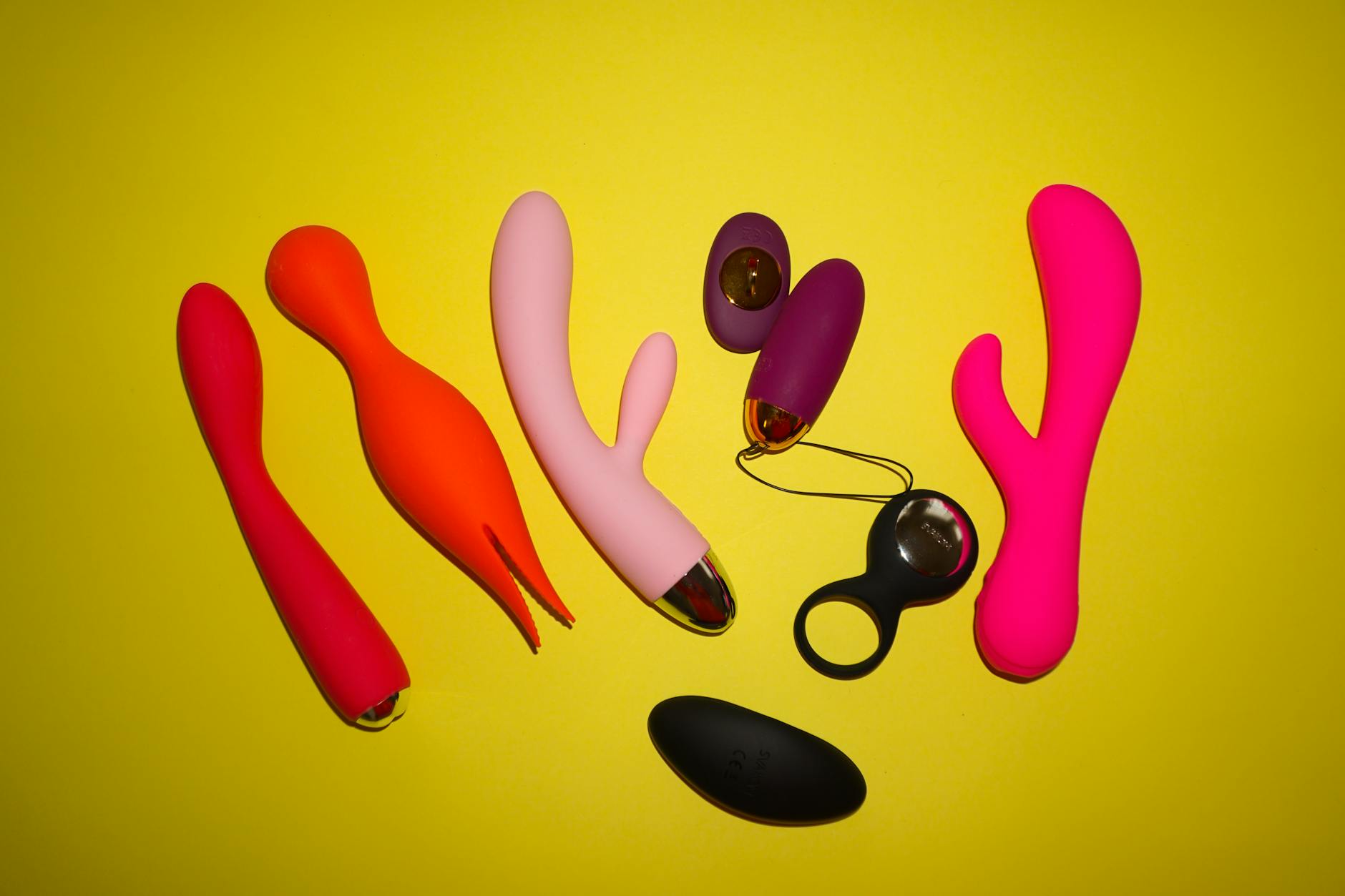
Here's the thing about partnered sex and solo pleasure
After years of sex with a partner, your body learns a pattern. Someone else is driving. You're responding, calibrating, reading their rhythm, managing their comfort. Your pleasure becomes a duet, not a solo. When you suddenly find yourself alone, that rewiring doesn't switch off overnight. Your brain is waiting for the other person's cues.
Solo play can feel weird, selfish, or just flat wrong at first. That's not a personal failure. That's neuroplasticity doing exactly what it's supposed to do. The good news: your body remembers how to pleasure itself. You just need to be intentional about rebuilding that skill.
Why a lemon vibrator changes the solo game
Traditional vibrators ask you to do all the decision-making: speed, pressure, angle, pattern. That's a lot of choice when you're already fighting years of partnered conditioning. A lemon clitoral vibrator like the Lem works differently. It uses gentle suction instead of buzziness. That distinction matters more than you'd think.
Suction feels less like a tool you're "using" and more like a sensation your body is receiving. The clitoral nerve responds to suction without requiring you to orchestrate pressure or find the exact angle. It meets you where you are, which is perfect when you're relearning how to receive pleasure from yourself.
Mindset shift: this is not selfish
Before we talk mechanics, the mental part. Many people who've spent years in partnered sex carry an unconscious belief that solo pleasure is either a consolation prize or something slightly shameful. Neither is true.
Solo play is how you maintain the primary relationship you have: the one with yourself. When you know your own body intimately, you bring that clarity to any partnership. You know what you actually want instead of what you think you should want. You can ask for it. You can recognize when something isn't working. You can experience genuine desire instead of obligation.
If shame shows up during solo play, that's worth noticing. Not judging. Noticing. Shame often has roots that go back decades. Sometimes it helps to name it before you start. "I might feel awkward. That's okay. Awkward doesn't mean wrong."
The physical setup that works
Setting matters more than you'd think when you're starting solo play after years of partnered sex.
1. Privacy that actually feels private. Not just locked doors. Locked doors plus time when you're genuinely alone. No part of your nervous system is available for pleasure if there's even a small chance someone will interrupt.
2. Comfort over sexiness. A bed, a couch, or even a comfortable chair. Pillows. Something that lets your body relax instead of perform. The cultural ideal of "sexy" positions is built for someone else to look at. You get to care only about what feels good to your body.
3. A small amount of water-based lubricant. Even if you think you won't need it, have it nearby. Clitoral tissue becomes less resilient after years of partnered sex sometimes, depending on hormones, arousal, and dozens of other factors. A tiny bit of lube removes friction in the most generous way. It's not a sign you're broken.
4. Phone on silent in another room. Not just on silent in your pocket. Away. Sounds wild, but your nervous system needs to know interruption is impossible, not just unlikely.
Using the lemon vibrator: the three-phase approach
Phase 1: Reacquaintance (first 3-5 sessions)
Don't start with the goal of orgasm. That adds pressure on top of the pressure you're already carrying. Instead, spend 10-15 minutes just feeling the sensation of the Lem against your body without expectation.
Start with the device on low. Many people who've been partnered for years have forgotten that their clitoris has distinct sensation zones. The direct suction feels different on the left side versus the right. The edge of the opening feels different than the center. Exploration is the point here.
Think of this like meeting someone for the first time. You're not trying to fall in love. You're paying attention. "Okay, so the right side is more sensitive. The lowest setting feels like pressure release, not invasion." That information is gold.
Phase 2: Pattern finding (sessions 6-12)
Once the sensation stops feeling completely foreign, start building intentional sessions. Set a timer for 20-25 minutes. That's long enough to actually build arousal without it feeling like a chore.
Start at low intensity and stay there for at least 5-10 minutes. Your arousal system doesn't sprint. It builds. When you rush to higher intensity, you're skipping the part where your body learns to truly want this.
Then move up. Stay at medium for 5-10 minutes. Notice what happens. Does your breathing change. Does your focus narrow. Are there thoughts streaming through, or does your mind quiet down.
Honestly, for the first month, you might not orgasm. That's completely normal. Your body is learning to trust that pleasure is allowed now, that you're not multitasking through it, that there's no one else's needs in the equation. Orgasm will arrive when it arrives. The warmup is the practice.
Phase 3: Ownership (week 4 onward)
By now, you've learned what the Lem feels like at different intensities. You know which spot on your clitoris responds best. You've probably experienced some version of arousal that's purely for you, not in response to someone else's touch or desire.
Now you can use that knowledge. Some days you'll want slow and meditative. Other days you'll want to move faster, stay at higher intensity, chase the sensation. Both are you. Neither is wrong. You're not performing for a partner's preferences anymore. You're the audience and the performer both.
The emotional stuff that might show up
Guilt is common when starting solo play after years of partnered sex. "Am I being unfaithful to my partner." "Am I rejecting them." "Should I feel bad about this." The answer is no across the board, but the feeling still lands.
If those thoughts come up, treat them like weather. They're passing. Shame thrives in silence. It dissolves in clarity. Most long-term partners actually benefit when their partner has a robust solo pleasure practice. You're less desperate, more autonomous, more genuinely present during partnered sex because you're choosing it, not defaulting to it.
Loneliness might show up too. Solo pleasure can highlight what's missing in partnership. That ache is real and worth acknowledging. But it's separate from learning to receive pleasure from yourself. One doesn't cancel the other.
The lemon clitoral vibrator advantage for solo play
The Lem and other lemon vibrators work particularly well for solo play because they don't require you to execute anything. Traditional vibrators need pressure, angle, and rhythm. Those are skills. Suction just requires presence. Your clitoris does most of the work.
It also feels gentler, which matters when you're rebuilding nervous system trust. A aggressive buzziness can feel demanding, especially when you're already carrying years of sex that wasn't entirely about your pleasure. Suction feels like being invited to feel good, not commanded to perform.
Building this into your life
Once solo play stops feeling like a category error and starts feeling like self-care, it usually wants to happen about 2-3 times a week. Some people gravitate toward a weekly rhythm. Others use solo play as a reset after stressful weeks.
There's no "should." There's only what your body is telling you it needs. After years of sex that was negotiated, partnered, and somebody else's turn, you deserve to find out what your body actually wants when no one else's preferences are in the room.
Common questions about solo play with a lemon vibrator
Does using a vibrator alone mean something's wrong with my partnership?
No. Solo pleasure and partnered pleasure serve different purposes. One isn't a replacement for the other. Think of it like how you might enjoy a solo run sometimes even though you also love hiking with friends. The solo activity teaches you things the partnered one can't.
Will a lemon vibrator make me dependent on it for orgasm?
Dependent is a tricky word. Your body will learn to respond to suction, sure. But that knowledge transfers. You'll understand your arousal better, which actually makes partnered sex more interesting because you can advocate for what you want. This isn't about the device. It's about reconnecting with your own pleasure system.
What if I still don't orgasm after a month of solo play?
Then your body might be storing some tension about pleasure that wants to be noticed. Sometimes that's about the transition from partnered to solo. Sometimes it's hormonal. Sometimes it's unprocessed stuff around sex and permission and desire. Any of those is worth exploring gently, maybe with a therapist. The Lem is a tool, not a magic fix.
Is it weird to start solo play for the first time in decades?
Completely normal. You're not broken. Your arousal system hasn't forgotten how to work. It's just been pointed outward for years instead of inward. Redirection takes intention and time. That's all.
Should I tell my partner about this.
That depends on your relationship and your comfort. Some couples have robust conversations about solo play. Others keep it private and let it just be part of their self-care routine. There's no universal right answer. The key is that you're not hiding it out of shame. You're choosing privacy because that's what you want for this part of your pleasure practice.
Can I use a lemon vibrator during partnered sex too.
Absolutely. Once you've built confidence with solo play, adding a lemon clitoral vibrator to partnered sex can be really hot. But that's a conversation for later. Right now, the work is about you and yourself.
The longer view
Solo pleasure after years of partnered sex isn't about replacing anything. It's about recovery. Recovery of knowledge about your own body. Recovery of the experience of pleasure as something you do for yourself, not negotiate with someone else.
After a few months of consistent solo play, something shifts. The awkwardness settles. Your body stops waiting for another person's cues. You remember that pleasure is a language your body speaks fluently. You just got rusty for a while.
A lemon vibrator is just the opening. What you're actually doing is rebuilding intimacy with yourself. That matters. Your body will thank you.
If you're working through larger relationship questions or trying to rebuild pleasure after a significant transition, talking to someone trained in that territory can help. Reach out if you'd like to explore this together.