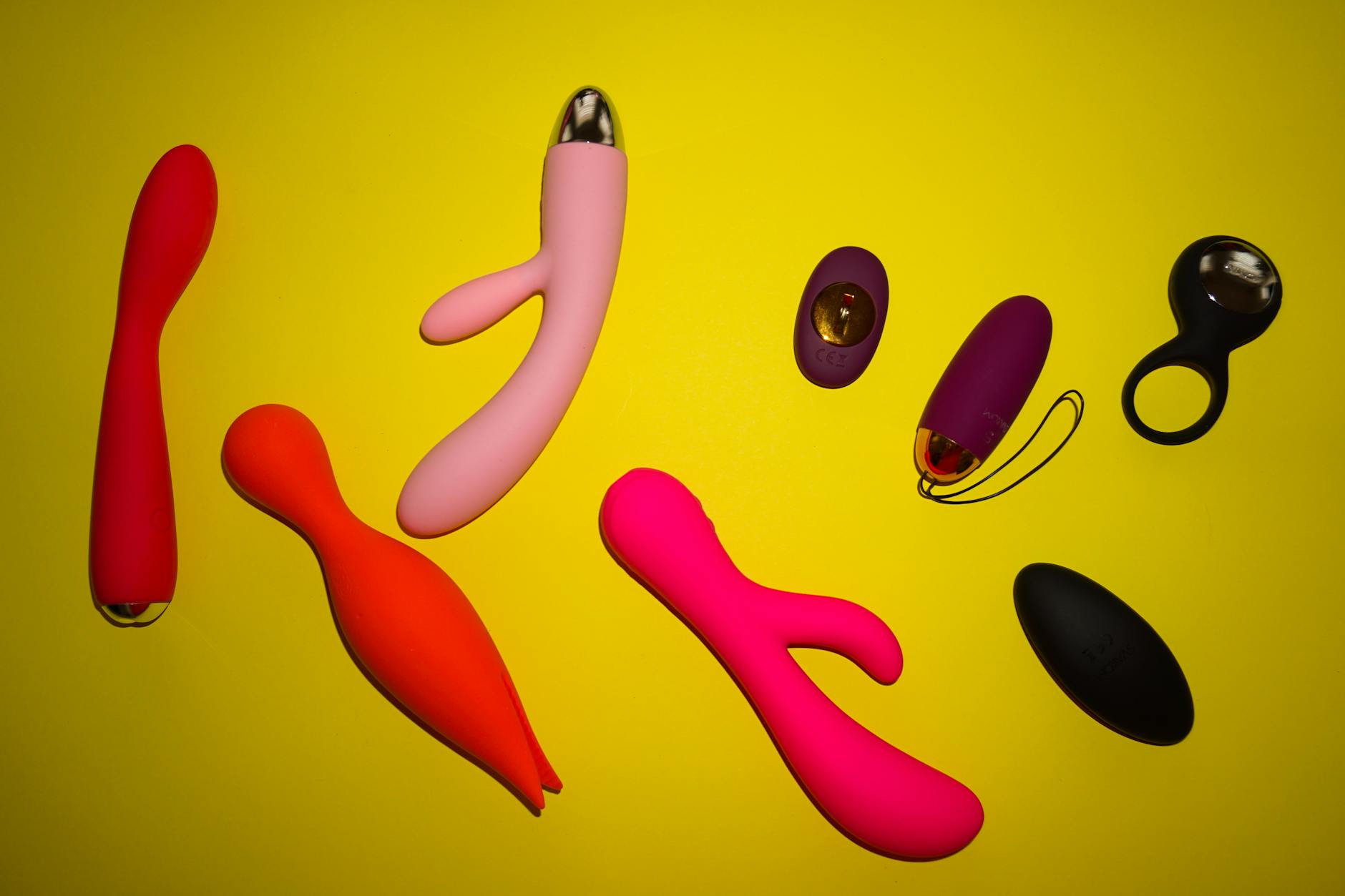
Here's the thing about gradual arousal
Most couples rush. Not because they want to. They rush because they don't have a script for going slow together. One person gets impatient. The other feels pressure. Tension builds, not arousal. Then everyone wonders why the session fizzled.
Using a lemon vibrator with a partner isn't about adding a toy to speed things up. It's about creating a shared rhythm. A lemon clitoral vibrator actually forces slowness because you're not going solo. You have to communicate, adjust, and pay attention. That friction is the whole point.
Why the lemon works better than you'd think
The reason a lot of couples struggle with vibrators is that vibration can feel impersonal. It's you plus a buzz. The toy becomes the thing, not a bridge to your partner. A lemon vibrator, though, lives in your partner's hand (or yours, in their hand). It's not a solo experience pretending to be partnered. The pressure, the angle, the rhythm. All of that flows through their touch.
When your partner holds the vibrator, they're controlling the intensity. They feel your body respond. You're not hidden behind a toy. You're present.
This matters for arousal building because slow arousal isn't passive. It requires feedback. Your partner needs to see your shoulders relax. Notice when your breathing changes. Feel when you're ready to move to the next intensity. That back-and-forth is what actually builds connection, not just orgasms.
Setting up the environment (yes, this matters)
Gradual arousal gets hijacked by logistics. One of you is uncomfortable. The angle is weird. Someone's arm gets tired. Then you're thinking about furniture instead of pleasure.
Start sitting or lying down where your partner can reach you comfortably for 20-30 minutes without shifting. A bed propped with pillows usually works better than a couch. Your partner needs to be close enough to use the vibrator but relaxed enough to not hold tension in their shoulders. If they're clenched, you'll feel it through their grip.
Lighting matters too. Dim is better than dark. You both need to see your partner's face, read subtle expressions, notice when they're breathless or smiling. Total darkness turns this into isolation. Full overhead light kills the mood. Aim for what you'd read by comfortably.
Temperature: warm room, not cold. You're going to be exposed for a while. Your body shouldn't be tense from goosebumps.
The opening phase: stillness before stimulation
Here's where most couples skip the actual building part. You start touching and immediately go to intensity 3 or 4. Your nervous system doesn't have room to wake up.
Start with the lemon vibrator off. Your partner holds it, lets you feel the shape and weight of it against your skin. This registers as non-threatening. The toy becomes familiar before it becomes intense. This takes two to three minutes. You're not supposed to feel aroused yet. You're supposed to feel curious and present.
Then they turn it on at the lowest setting, usually pattern 1 on the lemon. Not directly on your clitoris yet. On the surrounding tissue, the inner labia, the hood. The goal is to bring blood to the area without demanding immediate response. This is stimulation that feels like an invitation, not a demand.
Your job: communicate when this feels good. Not "that's nice." Actually tell your partner what you feel. "Right there on the left side." "A little higher." "Keep that angle." They need words to steer by. Generic praise leaves them guessing. Specific feedback lets them know they're calibrated correctly.
Building the middle phase: rhythm and patience
After about 8-10 minutes of light stimulation, your body starts responding faster. Arousal builds. This is when your partner might instinctively turn up the intensity. Don't let them.
Keep the lemon at the same pattern for another 5-7 minutes, even though you could take more. This is the hardest part for partners because they see you responding and want to push you faster to the finish. But gradual arousal is a plateau game. You spend time at each level. Your nervous system integrates it. Then you move up.
This is also where the lemon vibrator shines compared to other toys. Because your partner is holding it, they can adjust the angle subtly without changing the intensity. They can shift pressure. They can move it in small arcs. They can slow down without turning it off. That kind of micro-variation keeps things interesting without escalating.
After those 5-7 minutes at the same setting, move to pattern 2 or a slightly higher intensity. Stay there for another 7-10 minutes. Again, your partner watches your face. Feels your breathing. Listens to what you're saying. This phase is where real connection happens because they're actively attuned to your body, not just running through a script.
The transition phase: when intensity starts to feel right
By minute 25-30, your arousal is substantial. The lemon can move to higher patterns or more direct clitoral contact. But your partner should still be asking. "Can I turn it up?" "How does this feel?" This isn't ceremonial. It gives your nervous system permission to accept the change instead of jolting you out of the zone.
This is also a good time to bring your partner into the physical experience more directly. They can use their free hand to touch your breasts, your neck, your inner thigh. The dual stimulation of the vibrator plus their touch creates a different kind of fullness. It pulls your attention outward to your partner again instead of just inward to the sensation.
If this is heading toward shared sex, this is where that conversation happens naturally. "Should we keep going?" "Do you want me inside you?" The arousal you've built together makes these questions feel inviting, not clinical.
The pleasure of not rushing to the finish
Here's what a lot of couples don't realize: the longest, most satisfying sessions rarely end in the fastest way. If you've spent 30-40 minutes building gradually, your body has multiple pathways to orgasm open. Some sessions end in single, deep orgasms. Some end in multiples. Some don't end in orgasm at all but still feel deeply satisfying because of the time spent connected.
Using a lemon vibrator for gradual arousal with a partner means releasing the idea that the toy is there to guarantee an outcome. It's there to give your partner precision control and give you consistent stimulus while staying present together.
When arousal building breaks down
If you're 15 minutes in and it still feels flat, don't keep going hoping it'll shift. Something's off: communication, comfort, the angle, or readiness. Stop. Talk about it. Maybe you need a different starting position. Maybe your partner's grip is too tentative and you need firmer pressure. Maybe you're anxious about something unrelated and your body's holding back.
Gradual arousal only works if both people are actually gradually getting aroused. If one person is faking engagement, the whole thing collapses. The beauty of going slow is that you catch these misalignments early.
Making this routine, not special occasion
Couples often treat vibrators as occasional tools, saved for when they want to "spice things up." If your goal is to rebuild gradual arousal together, you need practice. Your partner learns how your body responds over time. You get more comfortable asking for what you want. The lemon becomes a language you both speak fluently.
If you've experienced years of disconnected sex or sex that's felt rushed and performative, switching to this slower rhythm can feel genuinely novel. Your partner might worry they're not "enough" if a toy is involved. But framing it as a way to build connection together, not a replacement, shifts the whole energy. You're a team using a tool to create something neither of you could access alone.
FAQ
How long should we actually spend on arousal building?
There's no magic number, but 25-40 minutes tends to hit a sweet spot where arousal peaks without fatigue setting in. Your partner's arm might get tired before your arousal does. Pillows help them rest the vibrator against you so they're not holding constant pressure. The lemon is lightweight enough that this usually works well.
What if my partner feels insecure about using the vibrator?
This is common. Some people worry that introducing a toy means they're not enough. Start by framing it in terms of what you both get: precision, consistency, and a reason to slow down together. Emphasize that you're asking them to hold the vibrator, to control it, to be actively involved. You're not asking them to leave the room. You're asking them to be more present, not less.
Can we use a lemon vibrator during penetration?
Yes, though the setup takes some care. During penetration from behind, your partner can use the lemon on your clitoris. You'll both need to find a position where they can hold the vibrator steadily while also managing the penetration. This works better if you spend a good 10-15 minutes on pure vibrator play first, so you're already aroused and relaxed when you add the other stimulus.
What if we don't make it to orgasm?
You won't every time, and that's fine. If you've spent 30 minutes with your partner's full attention, building arousal gradually, you've already won something valuable. The session was the point, not the outcome. If this happens regularly and feels frustrating, that might signal something else going on: stress, hormonal shifts, medication side effects, or just a body that needs different timing or stimulation. That's not a vibrator problem. That's worth discussing with a healthcare provider.
Should we use lube with the lemon vibrator?
Absolutely. Water-based lube helps the vibrator glide without sticking, reduces friction, and lets your partner apply consistent pressure without discomfort. Silicone-based lubes can damage a silicone toy, so stick with water-based if your lemon is silicone. The lube also makes the sensation feel less mechanical and more sensual.
How do we actually talk about this without it feeling awkward?
Start outside the bedroom. Something like: "I've been thinking about ways we could slow down more together. What if we tried spending longer on foreplay and using a vibrator for really gradual buildup? Just trying something different." Make it a conversation, not a proposal. Listen to what your partner thinks. If they're hesitant, ask what's underneath it. Almost always, it's fixable with honest conversation.
Gradual arousal with a partner isn't just about using a lemon clitoral vibrator differently. It's about reclaiming space in your sex life for presence, communication, and genuine connection. The vibrator is just the excuse to spend that time together.