Let's start here: reclaiming pleasure is part of recovery
Sexual trauma changes how your nervous system responds to touch, arousal, and intimacy. That's not weakness or damage. That's a normal protective response. But healing means slowly, deliberately, teaching your body that pleasure can be safe again. And that's not something you do alone.
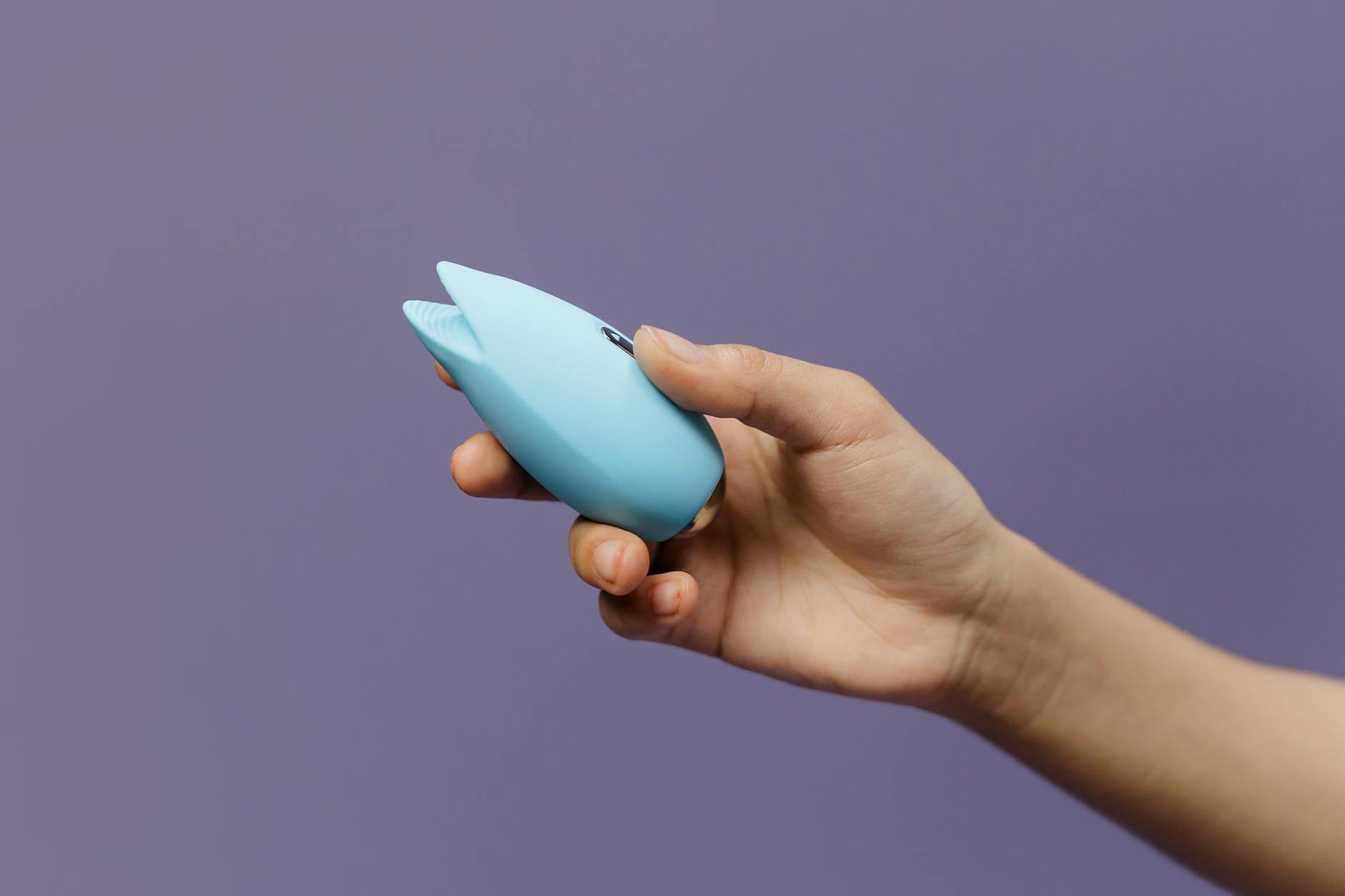
A lemon clitoral vibrator like the Lem isn't a magic fix. It's a tool that puts you back in control. Every pattern, every speed, every moment is yours to choose.
Why control matters more than anything else
Trauma takes control away. Recovery asks you to take it back. A vibrator is useful here because it's not a partner. It doesn't have expectations, won't push further than you're ready, and responds exactly the way you direct it. You control the speed, the intensity, the pattern, when you start, when you stop.
This matters neurologically. Your brain needs repeated evidence that your body can be touched safely. That evidence accumulates through small, predictable experiences where nothing unexpected happens. Where you're in charge the entire time.
When you use a lemon vibrator for your own pleasure, your brain registers: "I chose this. I'm safe. I can stop whenever I want." Those three things rewire the nervous system.
Start stupidly small (and mean it)
The instinct is often to "get back to normal" as fast as possible. Don't. The fastest route through trauma is actually the slowest one.
First session: Hold the lemon vibrator in your hand. Turn it on at the lowest pattern (pattern 1 on most Lem models). Don't use it yet. Just listen to it. Let your nervous system acclimate to the sensation of it running. That's it. You're done.
Second session: Same thing, but hold it against your outer thigh or arm. Clothed, somewhere non-sexual. Let your brain learn that this object vibrating feels predictable and neutral. Five minutes is plenty.
Third session: Same location, skin-to-skin touch, lowest pattern. No expectation of arousal. You're teaching your nervous system that gentle vibration is safe.
Only after three or four sessions of this should you move toward your genitals. And even then, start on the outer labia or bikini line. Not directly on the clitoris. Not yet.
Pacing is everything
Here's what I tell clients in my practice: If you can use a lemon clitoral vibrator for ten minutes and enjoy eight of them, that's a win. You don't need full-session pleasure. You don't need to orgasm. You need to prove to your nervous system that touch is safe.
Some sessions will feel good. Some will feel activating or uncomfortable. Both are normal. If it feels genuinely unsafe or painful, stop. That's the whole point. You have absolute veto power.
Many people recovering from trauma find that the suction pattern on devices like the Lem feels less invasive than traditional vibration. The sensation is broader, less concentrated, which means it doesn't create the same startle response. Try different patterns and speeds. Notice what feels manageable.
The conversation with your partner (if there is one)
If you're in a relationship, your partner needs to understand that using a vibrator for trauma recovery isn't about them. It's about you learning that your body can feel pleasure again. Those are two completely separate projects.
Honest conversation looks like: "I'm using this to rebuild my relationship with my own pleasure. I need space to explore this alone. It's not about what you're not doing right." Different conversation than "I want us to use this together" (which is fine later, but not early in recovery).
Your partner's job right now is to respect your space and celebrate small wins with you. Not to make sex happen. Not to jump in. Just to trust the process.
Pain or pressure means stop
If you experience pain, burning, or sharp sensations when using a lemon vibrator, stop. This isn't about pushing through. Trauma-informed pleasure means listening to your body and believing it when it says "no."
Pain can mean a few things. Your nervous system might not be ready yet. There could be pelvic floor tension (common after trauma, worth addressing with a pelvic floor physical therapist). Or the pressure of the device might be triggering. All of these are fixable, but not by ignoring the pain.
What you're actually building
When you slowly, carefully use a lemon vibrator or any clitoral vibrator during recovery, you're not just chasing orgasms. You're rewiring your nervous system's relationship with your genitals. You're teaching your brain that sensation can happen without threat. That pleasure can be chosen, controlled, and safe.
Many people find that the first time they experience arousal again after trauma feels like a breakthrough. Some cry. That's normal. Your body is learning it can trust itself again.
Take your time. Celebrate small moments. And if you hit a wall, that's when working with a trauma-informed therapist becomes invaluable. Healing isn't linear, and you don't have to do it alone.
FAQ
Can I use a lemon vibrator if I have PTSD from sexual assault?
Yes, if and only if you feel ready. There's no timeline. Some people are ready weeks after. Some take years. The key is that using it must feel like a choice you're making, not something you're pushing yourself to do. If your therapist or your gut says "not yet," that's the right answer. When you do feel ready, starting with clothed contact and the lowest settings is the right approach.
What if I can't orgasm and I feel frustrated?
Orgasm isn't the goal during trauma recovery. Pleasure and safety are. If you're feeling frustrated, dial back the expectations even further. Use the vibrator just to build comfort with the sensation. Reframe success as "I used this for ten minutes and didn't feel triggered," not "I came." Orgasms often return naturally once the nervous system feels safe again.
Should I tell my therapist I'm using a vibrator?
If you have a trauma-informed therapist, absolutely yes. They can help you track whether it's supporting your healing or causing activation. They might have suggestions for pacing or for other body-based practices that help. Good therapists understand that vibrators are legitimate tools for recovery, not something to hide.
How long before this feels normal?
There's no standard timeline. Some people feel a shift in weeks. For others, it takes months or longer. What matters is consistency and self-compassion. Your nervous system is relearning something that was damaged. That takes time. Every small session is part of the process.
What if my partner wants to be involved and I'm not ready?
Say no. This phase is about you and your own healing. If your partner respects you, they'll wait. If they push, that's important information about whether this relationship feels safe enough to rebuild in. You don't owe partnered sex to anyone, especially during recovery.
Is a lemon vibrator the right choice for everyone in recovery?
Not necessarily. Some people prefer wand vibrators for their broader stimulation pattern. Some prefer smaller devices. The Lem's suction design works beautifully for many people because the sensation feels different from traditional vibration. But your choice matters more than the brand. If another device feels safer to you, use that instead.
You're allowed to take your time
Healing from sexual trauma isn't a race. There's no prize for getting back to "normal" quickly. Real recovery means building a new relationship with pleasure, one that's grounded in choice and safety.
Using a lemon vibrator or any clitoral vibrator can be part of that. It puts you in control. It gives your nervous system evidence that touch is safe. And it reminds you that pleasure is your right, not something that was stolen and never comes back.
If you have questions about your specific situation or need support finding the right tools for your journey, reach out to us. Healing looks different for everyone. We're here to help you figure out what works for you.