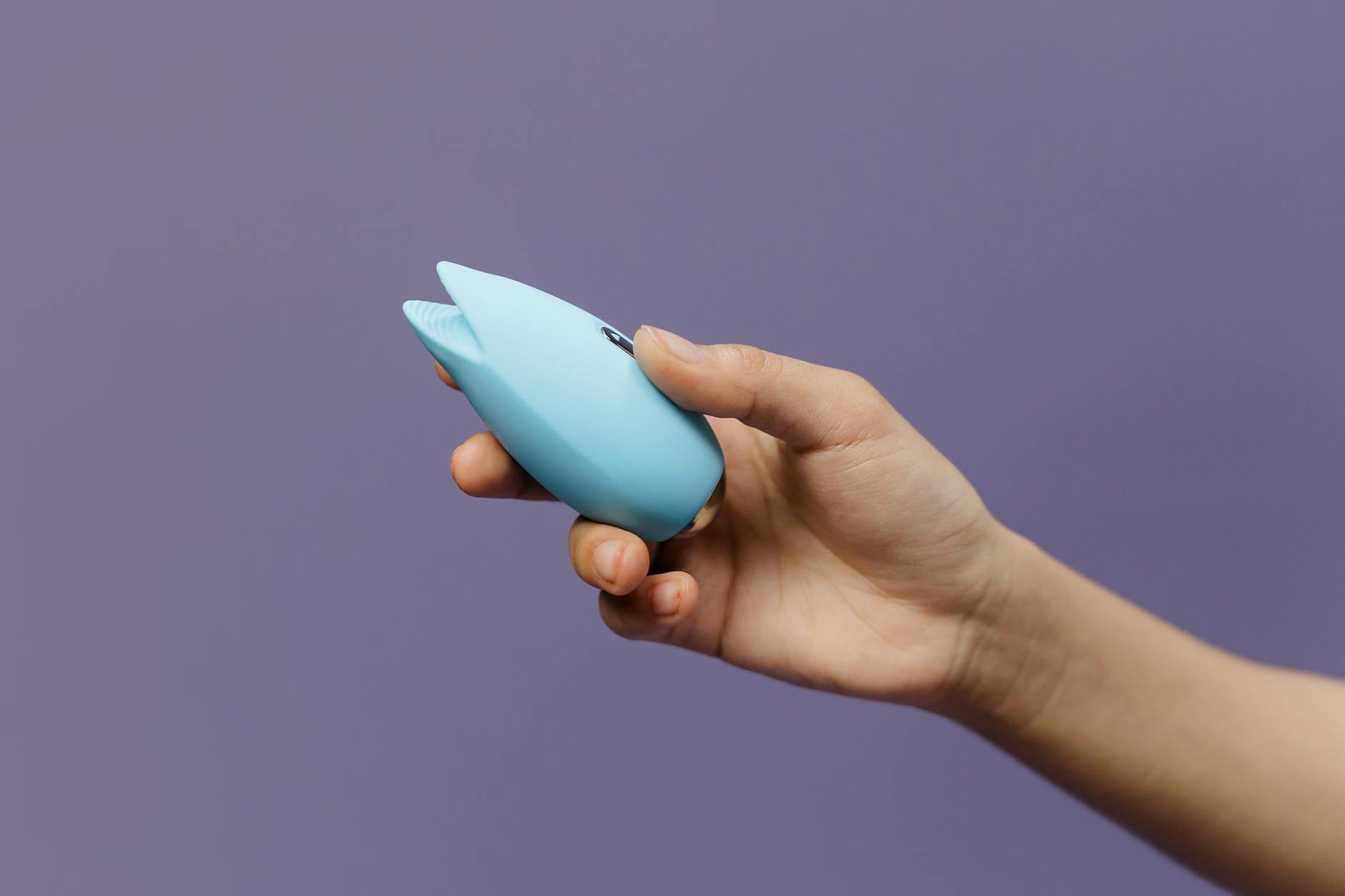
Let's name the nervousness first
You want to bring a lemon vibrator into your sex life with your partner, and you're anxious about it. That's not insecurity talking. That's actually smart self-awareness. Introducing any new thing into an intimate space carries real stakes. You're making a request. You're revealing a preference. You're opening a door that changes the shape of what already exists.
The good news: your nervousness doesn't mean you shouldn't do this. It means you're ready to do it thoughtfully.
Why the nerves show up (and what they're really about)
Most anxiety around introducing a lemon clitoral vibrator falls into one of three buckets, and naming which one is yours matters for how you approach the conversation.
"Will my partner feel threatened?" This is about whether they'll think the vibrator is a replacement for them. Whether your pleasure becomes less about them.
"What if they say no?" This is about rejection. About finding out that your partner isn't interested in exploring pleasure alongside you.
"What if I asked and they think I'm weird?" This is about judgment. About suddenly being seen differently after the conversation.
Each of these needs a slightly different approach. Knowing which one is actually driving your nerves helps you plan the conversation instead of just winging it.
The framing matters more than the words
Honestly, you can say almost anything to a partner and have it land well if the frame is right. The frame is your underlying message. "I want to add this because I want more pleasure with you" is a different frame than "This would feel better than what we're doing now."
One invites them into exploration. The other implies criticism. Same tool. Completely different emotional experience.
When you bring it up, anchor the conversation in what you want to experience together, not what you want to experience instead. "I've been curious about how different sensations feel" reads very differently than "I need more stimulation." The first is exploratory. The second can land as critique.
You can also frame it around what you've learned about your own body. "I read that lemon vibrators work in a way that feels really good for how I'm wired" is easier for most partners to hear than "I want to try a vibrator." It positions this as information about you, not a request about them.
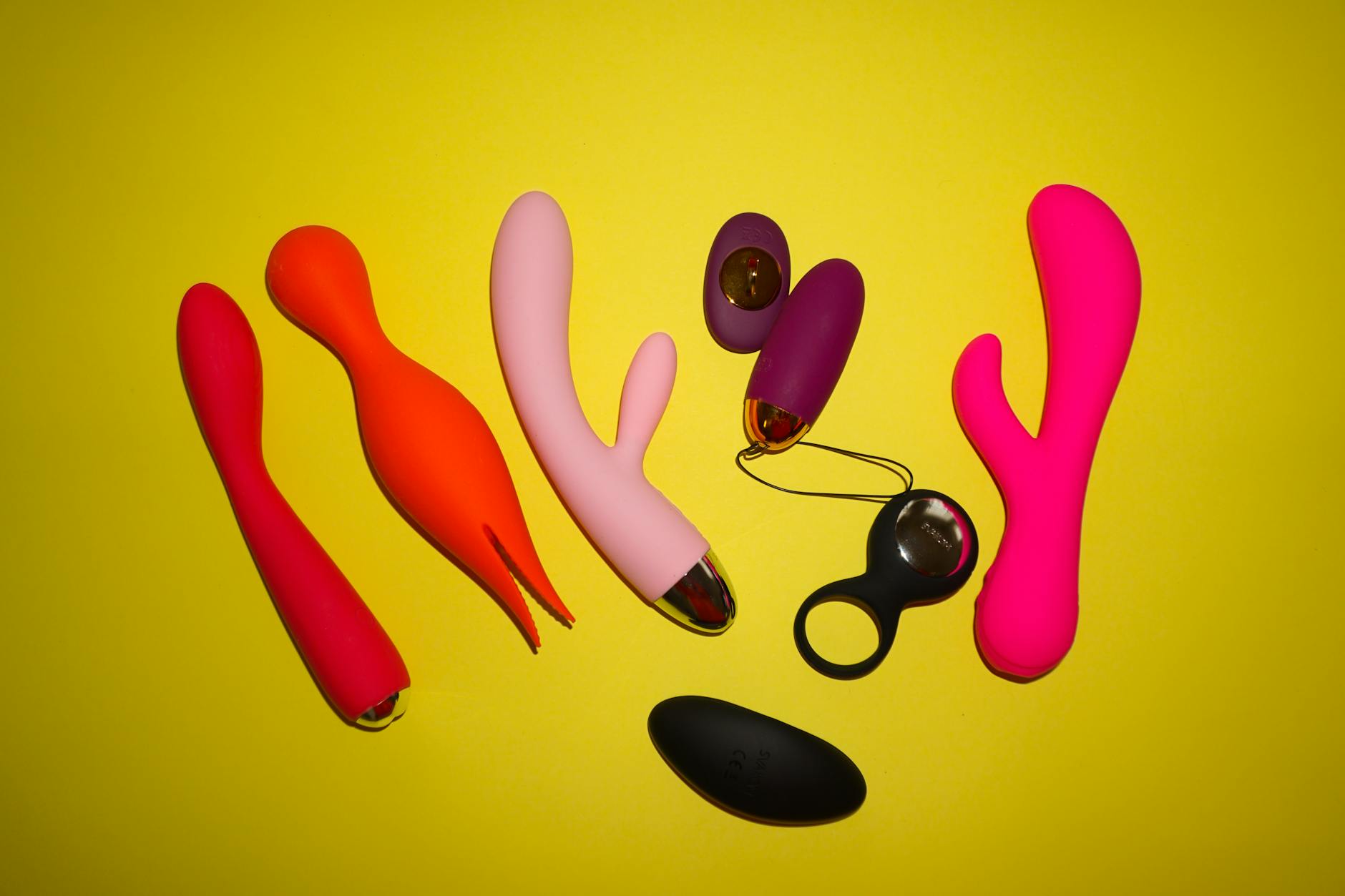
Photo by FounderTips on Pexels
Timing and setting matter, obviously
Don't have this conversation during sex. Don't ambush them with it mid-intimacy. Don't make it part of a bigger conflict about desire or frequency.
Have it when you're both relaxed, clothed, and not already touched up. A walk. Sitting on the couch with coffee. Basically anywhere that feels normal, not staged. If you stage it like it's a Serious Talk, it becomes one. If you treat it like "Oh, I wanted to mention something," it stays manageable.
Give them time to sit with the idea before you're expecting sex with the vibrator. You don't need to bring it out the same night. The conversation and the experience can be two separate events. This breathing room is actually what makes most partners more comfortable.
What to actually say (and what not to say)
Good openers sound like this:
"I've been reading about different ways to feel pleasure, and I'm curious about trying a lemon vibrator. I think it could be fun for us to explore together."
Or: "I want to be more intentional about my own pleasure, and I found something I'd like to try with you. Would you be open to that?"
Or even simpler: "I want to try something new in bed. Would you be interested in exploring that with me?"
Bad openers sound like this:
"I'm not satisfied with our sex life." (Accusation. Threat.)
"You're not giving me enough stimulation." (Blame. Defensiveness incoming.)
"I've been fantasizing about using a vibrator." (Depending on your partner's wiring, this can feel like you're replacing them in your imagination.)
The difference is subtle but critical. One frame says "I want to add something." The other says "What we have isn't enough."
After they respond (the response part nobody talks about)
They might be excited. They might be cautious. They might have questions. Any of those is fine. Not fine: brushing past their actual response because you're so relieved they didn't say no.
If they're excited, great. Ask them what they're excited about. Are they curious about the sensations? Do they want to watch? Do they want to use it on you? Are they thinking about other things you could explore? Their enthusiasm can teach you something about what they're actually interested in.
If they're cautious, ask what the hesitation is. Do they worry it'll replace hand-on-body contact? Do they have a question about how it works? Is it an intimacy concern or a logistical one? Once you know the actual concern, you can address it instead of guessing.
If they have questions, answer honestly. Yes, it's designed specifically for clitoral stimulation. Yes, it feels different from vibration. No, it doesn't mean we'll stop having sex the way we have been. These are real questions and they deserve real answers.
The first time using it together (expectations are everything)
Don't expect it to be perfect. You're both learning what this thing does, how it feels, what works in your shared space. That's information gathering, not performance.
Start with lower intensity settings, even if you know you like higher ones solo. Your nervous system is activated. Your partner is watching. Your brain is running nineteen different thought processes. You might respond differently than you do alone.
If you're using it yourself while they're present, keep communicating. "This feels good" or "This angle works better" helps them understand what's happening instead of watching in silence and wondering if they should be doing something.
If they're using it on you, guide them the same way you would with anything else. Show them where you like pressure. Tell them the speed that feels best. You're not being picky. You're being clear.
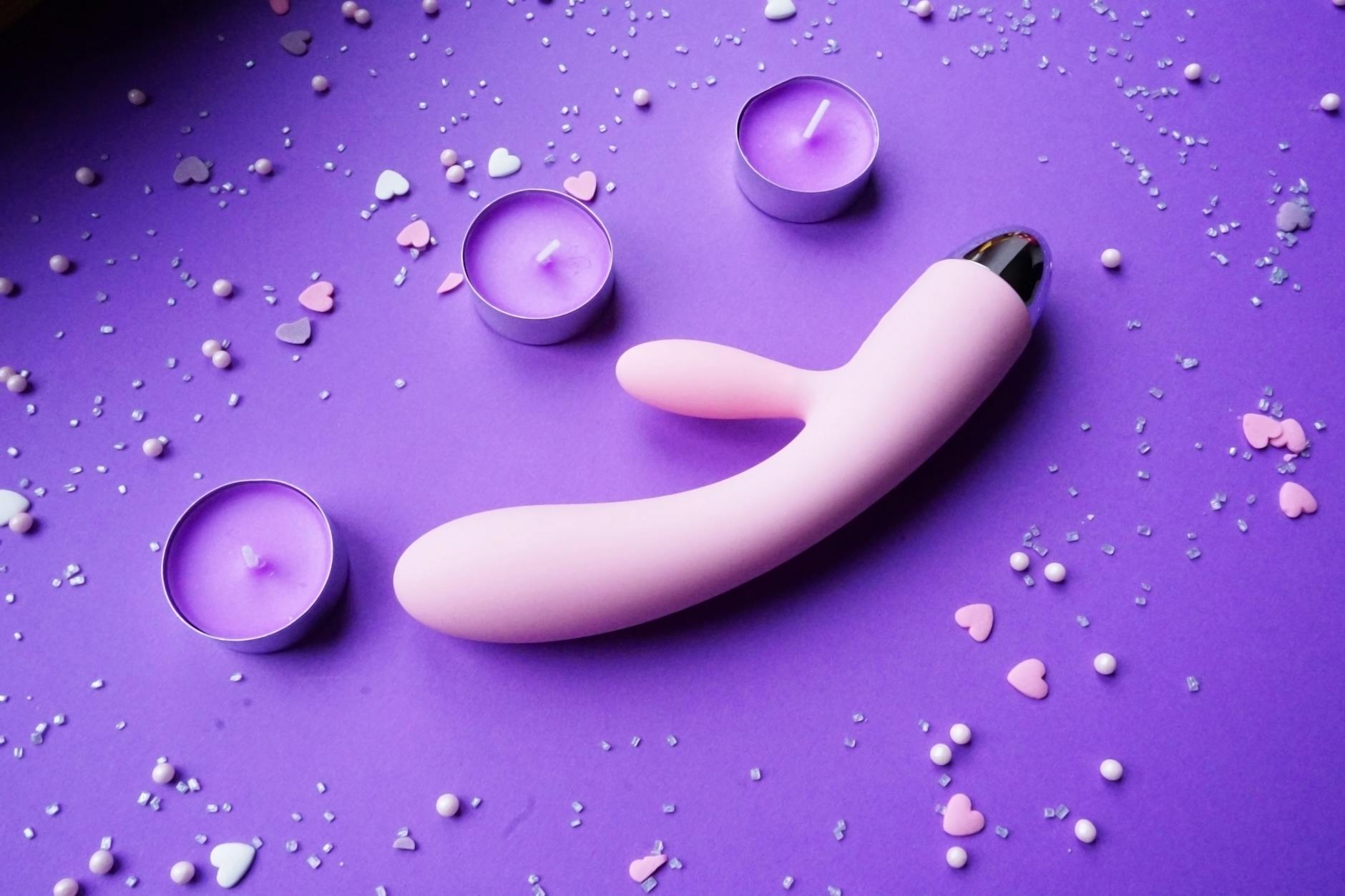
Photo by FounderTips on Pexels
After the experience, check in
This is the part that actually determines whether this becomes a normal part of your shared pleasure or a one-time thing that lives in awkward silence.
Don't ask "Did you like it?" because that's either yes or no and tells you nothing. Ask "What did that feel like for you?" or "What stood out?" or "What do you want to try differently next time?"
These questions invite them to actually reflect instead of performing agreement. Maybe they loved watching. Maybe they were curious but not sure about the noise. Maybe they want to use it more often. Maybe they want to try it differently. Knowing what they actually experienced matters way more than knowing if they said yes.
The longer game
Introducing a lemon vibrator isn't really about the vibrator. It's about building a partnership where both people can ask for what they want and explore together without shame. Once you've done that once, it gets easier the next time.
That's the real shift. Not that you now have a new toy. But that you've shown your partner you're willing to be vulnerable about desire, and they responded by showing up. That's the thing that changes everything.
People also ask
Should I buy the vibrator before or after the conversation?
After. Buy it together if possible, or show them the one you're thinking about first. This keeps it collaborative instead of feeling like something you decided unilaterally. Plus, different clitoral vibrators feel different. A lemon vibrator like the Lem uses air-suction technology, which is completely different from traditional vibration. Let your partner weigh in on whether that appeals to them. You might find out they're more interested than you expected.
What if my partner asks why I want to use a lemon vibrator specifically?
Tell them the truth. Lemon clitoral vibrators use suction instead of traditional vibration, which creates a different sensation that works well for lots of bodies. You read about it, got curious, and want to explore it together. That's a completely normal reason. You don't need a dramatic justification.
Can we use the lemon vibrator during partnered sex?
Yes. Some people use it during penetration. Some prefer it during foreplay or as part of the lead-up to sex. Some use it as the entire sexual experience. There's no rule. The point is figuring out what feels good for both of you. Starting with lower-stakes scenarios like "I use it while you're present but not inside me" is often easier than integrating it mid-sex the first time.
What if my partner seems interested but then doesn't bring it up again?
You bring it up again. You said you were interested in exploring together. If they said yes, that's consent to keep exploring. Them not bringing it up doesn't mean they changed their mind. It might mean they're waiting for you to take the lead, or they're nervous too. You can say "I've been thinking about trying that thing we talked about. Are you still open to it?" That's it. Easy. Clear.
Is it weird if I want to use the vibrator more often than my partner expects?
No. You using a clitoral vibrator regularly isn't weird. You using it more often than your partner initially imagined isn't a problem either. If it becomes an actual misalignment (you want it every time, they want it once a month, and neither of you is comfortable with that split), that's worth talking about. But "I'm discovering I really like this" is just information. Most partners adjust once they see you're genuinely enjoying something.
How do I use a lemon vibrator if my partner isn't interested after all?
You use it solo. You have no obligation to only use sexual tools with a partner. Self-pleasure is a completely separate thing. If your partner eventually becomes curious after seeing you enjoy it, great. If not, you're still getting something you want. That's not selfish. That's taking care of your own pleasure, which is always allowed.
The actual takeaway
Nervousness about bringing up a lemon vibrator with your partner usually boils down to fear of being seen differently or rejected. Both are real risks. Both are also smaller than the risk of never asking for what you want and spending years having the same sex you already have.
Bring it up. Give them space to respond. Use it together. Check in after. Build something that works for both of you instead of assuming it can't work at all. That's how you move from nervous to comfortable. Not because the fear disappears. Because you did it anyway and nothing terrible happened.
If you need help navigating bigger relationship shifts around pleasure or intimacy, we're here to talk. Reach out anytime at /contact.