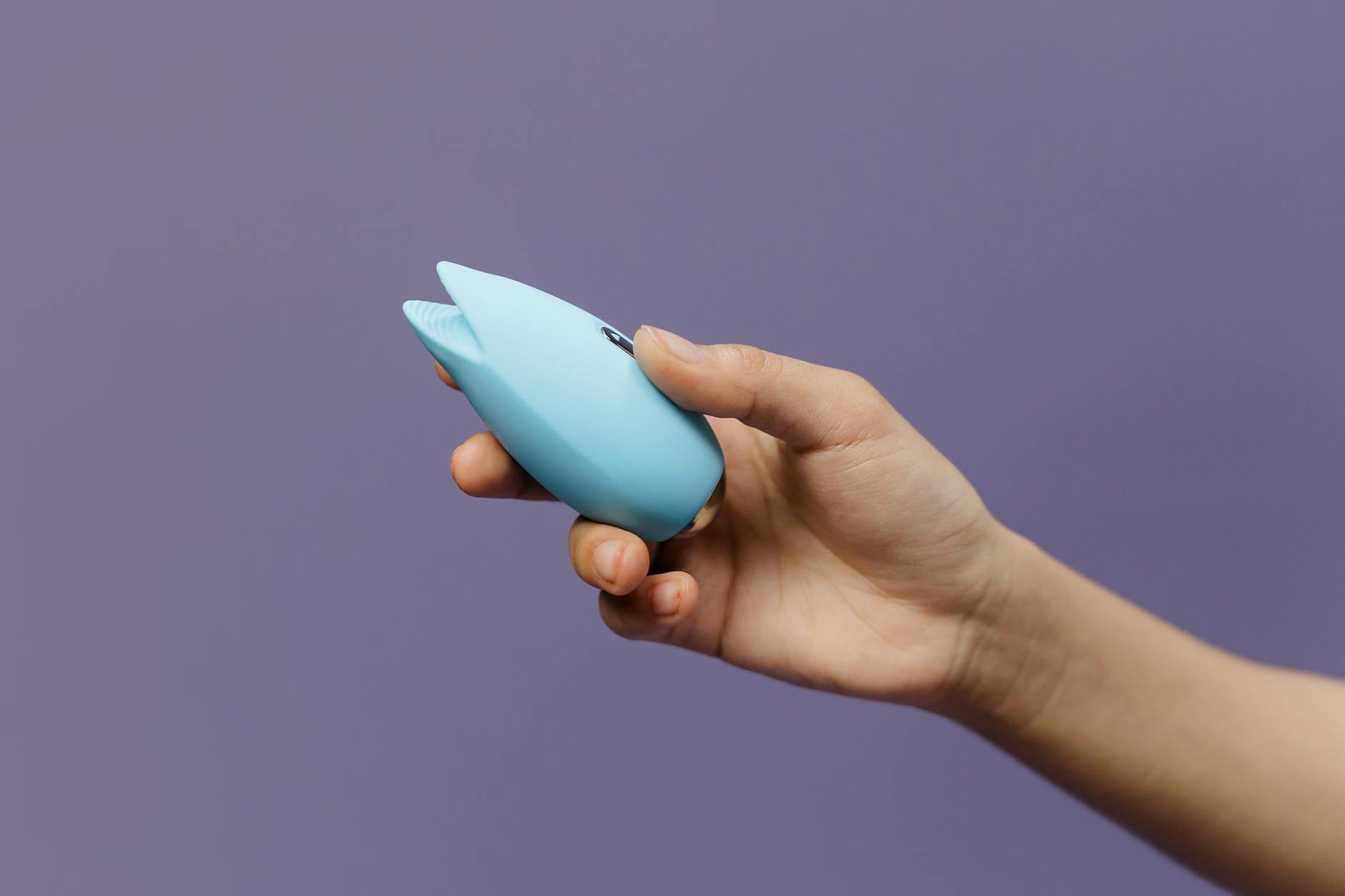
Let's talk about what actually changes after 50
Your body shifts in postmenopause, and that's not a problem. It's information. Tissue thins. Lubrication patterns change. Arousal takes longer to build. The clitoral complex becomes more sensitive to direct pressure and benefits more from targeted stimulation. None of this means pleasure ends. It means the tools and approach that worked at 35 might not work at 55, and that's where a lemon clitoral vibrator designed with these changes in mind becomes genuinely useful.
I've worked with hundreds of women over 50 navigating pleasure during postmenopause. The pattern I see most often: they try a traditional vibrator, feel uncomfortable pressure, assume their bodies are "broken," and stop trying altogether. That narrative is false. Their bodies aren't broken. The vibrator was wrong for them.
How postmenopausal tissue responds differently
Estrogen changes everything about genital tissue. Lower estrogen means the vaginal epithelium thins. The vulva becomes less resilient to friction. Blood flow patterns change, which affects how arousal builds and how intensely orgasms feel. The clitoris itself doesn't shrink or lose nerve density, but the surrounding tissue gets more delicate, which means direct, rumbly vibration often feels uncomfortable instead of pleasurable.
This is where air-suction technology shifts the game. Instead of pushing vibration into sensitive tissue, devices like the Lem create gentle suction that stimulates the clitoral complex through a different mechanism. It's less about friction and more about rhythmic pressure and release. For postmenopausal bodies, this distinction matters enormously.
Here's what I tell my clients: think of it like the difference between a massage that presses hard into a bruise versus one that gently mobilizes the tissue around it. Both can feel good, but one suits the situation far better.
Why traditional vibrators often feel wrong after 50
Most mainstream vibrators rely on oscillating or rotating vibration. This works beautifully for bodies with thicker genital tissue and higher arousal thresholds. But postmenopausal tissue is more reactive. Direct vibration against sensitive skin often creates an uncomfortable buzzy feeling rather than pleasure. Some women describe it as too intense, too sharp, almost irritating. Others say it feels numb or like nothing is happening at all.
The solution isn't to increase intensity. More vibration doesn't fix the mismatch. What helps is a different stimulation pattern entirely. Air-suction devices work by creating a seal around the clitoris and delivering gentle pressure waves that feel more like a rolling sensation than a harsh buzz. For over-50s bodies, this tends to feel dramatically better.
Lubrication also matters more after 50, not because something is wrong but because tissue needs it. Water-based lube isn't compensation. It's the right tool for the situation. Pair that with air-suction technology and you're working with physiology, not against it.
The first-time experience: what to expect
If you're trying a lemon clitoral vibrator for the first time over 50, here's what actually happens. Start with the lowest setting. The sensation feels different from traditional vibration. Instead of buzz, you'll feel a gentle rhythmic pull and release. Many women say it feels warmer and more natural than they expected, almost like stimulation without harshness.
Budget time for arousal. Your body might take 15 to 25 minutes to become fully responsive. This isn't slow. This is normal after 50. The arousal process is different, not deficient. Slower arousal often leads to more intense, more satisfying orgasms because everything builds gradually.
Start externally. Place the device directly on the clitoral hood and let it work gently. Don't assume you need to add pressure or move it around frantically. Air-suction does its job through stillness and the right seal. Let it sit, let your body respond, and only adjust if something feels off.
If you experience any discomfort, stop. Discomfort is data. It usually means either the seal isn't right, you need more lubrication, or you need a lower intensity. None of these are failures. They're part of finding what works for your specific body.
Building confidence after years away from solo play
Many women over 50 haven't used a toy in decades or ever. There's a guilt piece sometimes, or a "I'm too old for this" thought. I'm here to tell you that's not how it works. Your capacity for pleasure doesn't have an expiration date. Your desire might look different than it did at 25. That doesn't make it less real or less worth exploring.
The postmenopausal years often bring a specific kind of freedom. Children are older or grown. The biological pressure of fertility is gone. Many women find that without those tensions layered on top, pleasure becomes simpler and more direct. There's less performance anxiety, less trying to want something you don't. Just your body and what actually feels good.
Start solo if that feels right. Solo exploration is where you learn your own patterns, what intensity works, how your body responds over time. There's no one watching, no pressure to climax on schedule, no comparison. Just you and discovery. A lemon vibrator designed for postmenopausal sensitivity means you're starting with a tool that's already calibrated for your body's actual needs, not someone else's.
When to bring a partner in (and what to tell them)
If you're partnered, integrating a clitoral vibrator into partnered play doesn't require a big conversation unless you want one. Some couples like to talk about it first. Others prefer to introduce it in the moment. Both are fine.
What matters: make sure your partner understands this isn't a replacement for them. It's an enhancement. The Lem, for example, is designed to work during partnered sex. It doesn't take over the experience. It supports your arousal while you and your partner are connected.
Many postmenopausal couples find that air-suction devices actually improve their sex life because the person with a vulva can climax more reliably and more intensely. That changes the dynamic for everyone. When pleasure is more accessible, sex becomes something you want to return to rather than something you're managing around.
If your partner is skeptical, that's also workable. You don't need their permission or their enthusiasm to explore your own pleasure. That said, if skepticism is wrapped up in deeper relationship tension around sex or intimacy, that might be worth exploring separately. A partner who's skeptical about pleasure tools sometimes reflects a larger concern about desire and connection.
Adjusting for hormonal fluctuations and medication
Postmenopause isn't completely stable. Some women experience minor hormonal fluctuations. Others take medications that affect arousal or tissue sensitivity. Certain antidepressants, blood pressure medications, and hormone therapies all play a role.
The benefit of air-suction technology: it's forgiving. If your tissue is more sensitive on a particular day, you can dial down the intensity. If arousal is slower, the gentle rhythm of air-suction doesn't feel punishing the way aggressive vibration might. You're working with your body's actual state rather than fighting it.
Lubrication also varies. Some days you might naturally have more genital lubrication. Other days you won't. Water-based lube bridges that gap without adding chemicals or discomfort. Keep a bottle nearby and use it freely. Your body isn't broken if you need it. You're just adapting your approach to actual physiology.
The practical side: care, storage, and safety
A lemon clitoral vibrator is an investment in your pleasure. Treat it that way. Clean it after each use with warm water and mild soap. Silicone is durable but benefits from gentle handling. Store it in a cool, dry place or in the charging dock if it's rechargeable. Most modern lemon vibrators are whisper-quiet, rechargeable, and built to last years with basic care.
Water-based lube is your friend. Silicone lube can degrade silicone toys over time. Stick to water-based for compatibility and easy cleanup. The investment is small and pays off in comfort and device longevity.
If you're exploring this for the first time and feeling vulnerable about it, that's completely normal. You're reclaiming something that maybe got lost over years or decades. That reclamation matters. Give yourself permission to experiment, adjust, discover what your body actually wants now. Pleasure after 50 is different from pleasure at 30. Different doesn't mean worse. Often it means better.
Frequently asked questions
Do air-suction vibrators like the Lem work for everyone over 50?
Most women over 50 find air-suction more comfortable than traditional vibration, but "everyone" is a stretch. Some women love it immediately. Others need adjustment time or find they prefer a combination approach. The key is that if traditional vibrators felt uncomfortable or numbing, air-suction is worth trying. It's a different enough mechanism that what didn't work before might work now.
How long does it take to have an orgasm with a lemon clitoral vibrator at this age?
It varies. Some women orgasm in 10 minutes. Others take 25 to 30 minutes. That's normal and not a sign of dysfunction. Postmenopausal arousal often builds more gradually but can be more intensely pleasurable once it arrives. Speed isn't the measure. Pleasure is.
What if I experience pain during or after using a lemon vibrator over 50?
Stop using it and check two things: are you using water-based lubricant, and is the intensity set to low? If pain persists with adjustments, see a gynecologist trained in menopause care. Genitourinary syndrome of menopause is treatable, often with topical estrogen. Pain isn't something to work through. It's information that something needs support.
Can I use a lemon vibrator if I'm on hormone replacement therapy?
Absolutely. HRT often improves genital tissue health and arousal. A lemon vibrator works with HRT, not against it. Your experience might feel different than someone not on HRT, but that's true with any pleasure tool. Adjust intensity and timing to what feels right for your body.
Is it weird to start using a vibrator for the first time at 50, 60, or 70?
No. Pleasure doesn't have an age limit. Many women find postmenopause is actually when they finally prioritize their own satisfaction without guilt or distraction. Starting a clitoral vibrator practice later in life isn't weird. It's honestly common and often deeply satisfying.
How does a partner feel if I suddenly want to use a vibrator after decades together?
It depends on the partner and the relationship dynamic. Some are thrilled because it means more pleasure and more frequent sex. Others need reassurance that it's not a replacement. The conversation matters less than the tone. "I want to explore this because my body has changed and I want to feel good" is very different from "Nothing you do works anymore." Frame it as expansion, not criticism.
Can I use a lemon vibrator if I have vaginal atrophy or GSM?
Yes, with support. Add generous water-based lubricant and start at the lowest intensity. If pain occurs, talk to your doctor about topical estrogen therapy first. Once tissue is healthier, a lemon vibrator becomes even more effective. The two work together.
The pleasure reclamation years
Postmenopause is often when women finally have permission, space, and reduced biological pressure to explore what they actually want. Your body has changed. The tools need to change too. A lemon clitoral vibrator designed for postmenopausal sensitivity isn't a compromise. It's a precision tool built for exactly what your body needs right now.
Your pleasure matters at 50. At 60. At 70. Not as a rebellion or a reclamation project. As a straightforward fact: you deserve sensation, satisfaction, and joy. The rest is just finding what works.