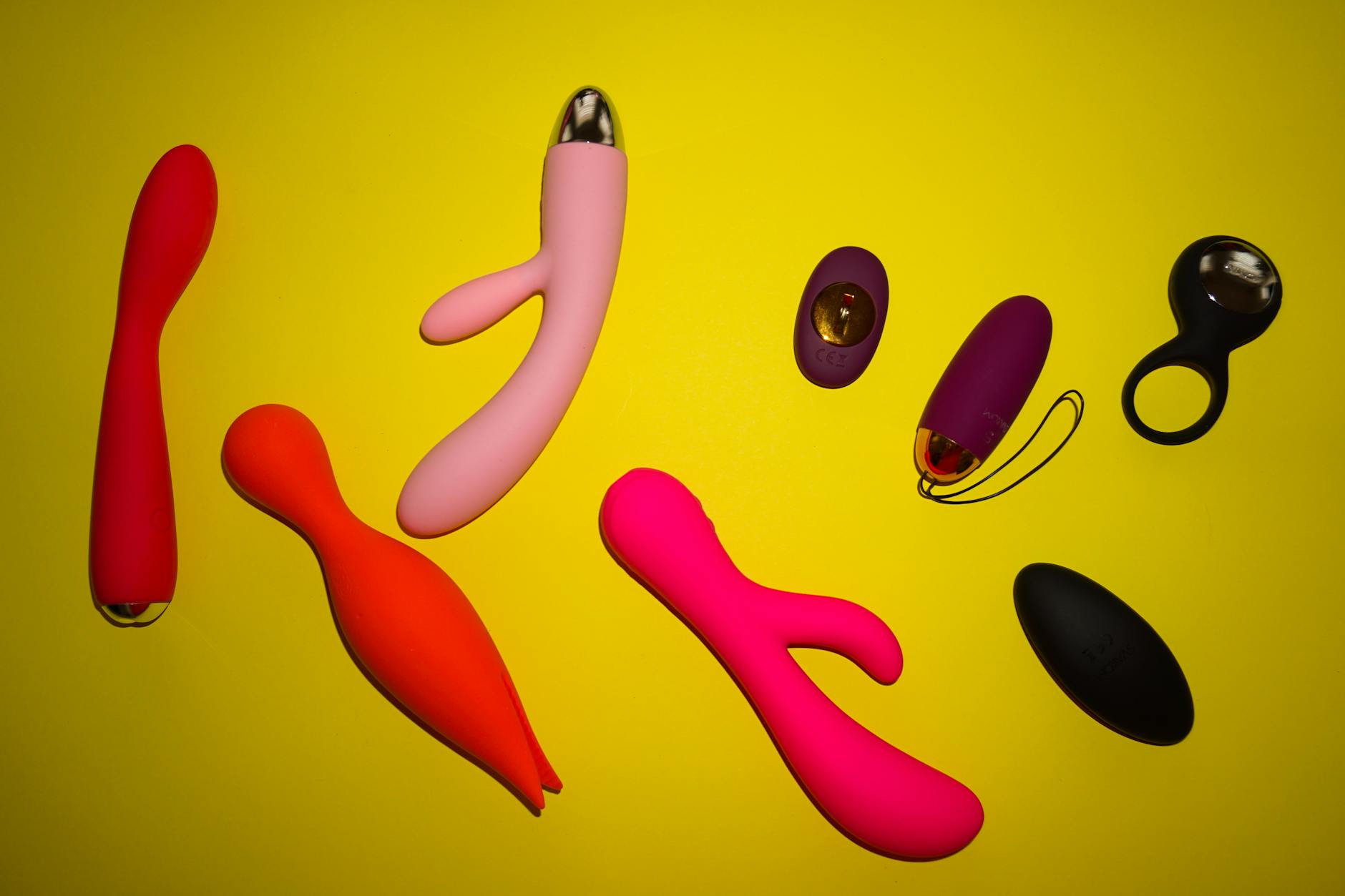
Let's start with what everyone wants to know
No. Stronger orgasms are not the same as better orgasms, and a lemon vibrator does not create orgasms that are "stronger" in the way most people mean it. What it does create is different. Which, for a lot of people, turns out to be way more satisfying.
Here's the distinction that matters. Traditional vibrators work through rapid oscillation. Air-suction lemon vibrators work through pulse-and-release cycles that mimic oral sex. One isn't inherently more intense. They're different sensations hitting your nervous system in different ways.
How lemon vibrators actually work on your body
A lemon clitoral vibrator uses air-pulse technology. Instead of buzzing against your clitoris, it creates a seal around the external clitoral tissue and then delivers gentle pulses of suction. Think of it less like being vibrated and more like a rhythmic stroking sensation.
This matters physiologically because it stimulates a broader area of nerve endings. Your clitoris has roughly 8,000 nerve endings, and they're not all in the exact same spot. Traditional vibrators typically focus intense stimulation on one small surface area. Air-suction devices like the Lem disperse that sensation across more tissue.
The result is that you often reach orgasm faster, not because the sensation is more intense, but because more of your nervous system is engaged at once. It's like the difference between rubbing one spot on your arm really hard versus lightly stroking a larger area. The second one registers in your brain as more total stimulation, even though neither single point is being hit as forcefully.
What the research actually shows
There isn't a ton of peer-reviewed research comparing orgasm intensity between air-suction and traditional vibration. What does exist is clinical observation and user data, which is substantial.
Studies on clitoral blood flow show that suction-based stimulation increases vasocongestion (the buildup of blood in genital tissue that creates arousal and sensation) more rapidly than vibration alone. Faster vasocongestion means faster arousal, which can feel like "intensity" even if the mechanical force isn't greater.
One Rutgers study using fMRI imaging showed that different types of clitoral stimulation activate different regions of the brain. Suction-based sensation lit up broader areas of the sensory cortex compared to isolated vibration. Translation: your brain processes it as more stimulation, which registers as more pleasure.
But here's the nuance. More brain activation doesn't equal a "stronger" orgasm. It equals a different kind of sensation. Some people experience orgasms that feel more whole-body. Others describe them as more focused. Neither is objectively superior.
Why sensation type matters more than raw intensity
I see this constantly in my work with couples. Someone buys a high-frequency traditional vibrator, expects fireworks, and feels underwhelmed. They thought intensity was the variable. It isn't.
Your orgasm is shaped by several things at once:
First, your nervous system's sensitivity to that specific stimulation pattern. If your body responds well to suction, you might orgasm more easily with a lemon vibrator than with a toy that buzzes at 10,000 RPM. That's not because the suction is "stronger." It's because your nerve endings prefer that rhythm.
Second, psychological receptivity. Knowing you're using a toy designed to work differently can shift your expectation and attention. That mental component genuinely influences sensation.
Third, the buildup phase. Lemon vibrators often create a slower, longer arousal curve that feels more gradual. Some people find that extended buildup creates a more satisfying release, even if the peak sensation feels similar to a traditional vibrator.
Fourth, partner dynamics if you're using it with someone else. Air-suction toys tend to feel less jarring to a partner's hand or body during partnered play, which can make the whole experience feel more connected and less mechanical.
The pleasure question nobody asks
Here's what I genuinely think gets lost in the intensity conversation. Pleasure is not a linear scale. More is not automatically better.
Someone using a lemon clitoral vibrator might reach orgasm in three minutes instead of eight. That doesn't make it a better orgasm. It makes it a faster one. And faster orgasms aren't always more satisfying. Sometimes the slow build, the anticipation, the gradual intensification is the part that makes it good.
Conversely, some people find that lemon vibrators take them to a place they couldn't reach before. Not because the sensation is "stronger," but because it's the right sensation for their body's wiring.
I work with a lot of people who've spent years using traditional vibrators and felt like something was missing. They weren't not having orgasms. They were just aware that the experience was more mechanical than sensual. When they try an air-suction design, they describe it as the first time the toy felt like it was working with their body rather than at it.
When lemon vibrators actually do feel more intense
There are scenarios where air-suction genuinely does feel more intense in the way people usually mean it.
If you have sensitive or easily overstimulated tissue, traditional vibrators can feel uncomfortably sharp or numbing. A lemon vibrator's broader distribution of sensation can feel more manageable and somehow fuller at the same time. That shift to comfort can actually unlock more intense pleasure, because you're not bracing against discomfort.
Similarly, if your arousal typically happens slowly or you're someone who needs a lot of clitoral stimulation to orgasm, the quick vasocongestion spike from suction can feel like a genuine intensity increase. You're reaching a threshold faster, which can feel like more power.
And in longer sessions, some people experience stronger orgasms with air-suction because the sensation pattern is less likely to create the numbness that traditional vibrators sometimes do. You can sustain pleasure longer, which means you can build to something genuinely more powerful.
The practical reframe
If you're choosing between a lemon clitoral vibrator and a traditional vibrator, stop thinking about which one creates "stronger" sensations. Ask instead: which sensation pattern do I want to feel?
Do you want something that mimics oral sex? Go air-suction. Do you want broad, pulsing stimulation that feels less pointed? Go lemon. Do you want to explore something completely different from what you've used before? Try a lemon vibrator and pay attention to what your body responds to, not what you think should feel good.
If you're using a lemon vibrator and comparing your orgasms to traditional ones, remember that different doesn't mean worse or better. It means your body is experiencing something your nervous system is processing differently. That's the whole point.

Photo by FounderTips on Pexels
Does sensation intensity matter in a relationship?
This is where pleasure stops being just about your body and becomes about communication. In partnered sex, intensity is negotiated.
Some partners worry that a lemon vibrator will replace them or make their presence feel secondary. That's a conversation worth having upfront. A air-suction vibrator isn't a replacement for partnered touch. It's a tool you're both using, often together.
Others find that the different sensation from a lemon vibrator actually enhances partnered sex because it takes pressure off the partner to be the sole source of stimulation. You're no longer waiting for them to create the exact sensation your body needs. You can use the toy together, and they can focus on other parts of touch and connection.
Intensity, in that context, isn't about how strong the sensation is. It's about how present you both are during it.
FAQ: Your actual questions about lemon vibrator orgasms
Do lemon vibrators work better if you've never had an orgasm before?
Sometimes, yes. If you haven't yet experienced orgasm, a lemon vibrator's broader stimulation pattern can make it easier to recognize the sensation when it happens. The slower buildup and more distributed feeling can be less jarring than a concentrated buzz. That said, some people's bodies respond better to traditional vibration. Try both if you can, and don't assume intensity equals effectiveness.
Can you use a lemon vibrator on other parts of your body?
Yes. Many people use air-suction vibrators on labia, the perineum, or even breasts. The sensation pattern works on all sensitive tissue. Just know that the sensation will feel different in different places because the anatomy is different. That's not a drawback. It's an invitation to explore.
Why do some people say lemon vibrators feel less intense than their old toy?
Because intensity and satisfaction are genuinely different things. If you're used to a high-frequency traditional vibrator that creates a specific kind of buzz, an air-suction design might feel gentler even if it creates an orgasm that feels different. You're comparing two different sensations and naturally gravitating toward familiarity. Give yourself a few sessions before deciding one is "less intense."
Do you build tolerance to lemon vibrators like you do with traditional vibrators?
Some people do. Vibration tolerance is real, but it's less common with air-suction designs because they don't numb tissue the same way. That said, any toy can feel less exciting after weeks of regular use. That's where varying patterns, taking breaks, or using it differently can help. Novelty and variety matter.
Is there an "ideal" orgasm intensity with a lemon vibrator?
No. Your ideal orgasm is the one that feels good to you. Some of the most satisfying orgasms I hear about from people using lemon vibrators aren't the most intense ones. They're the ones that feel surprising, or connected, or different from what they expected. You're not chasing a number. You're exploring what works.
Can a lemon vibrator help if traditional vibrators stopped feeling good?
Often, yes. If you've developed vibration-related numbness or soreness, switching to air-suction can reset your sensitivity. The different sensation pattern gives your nerve endings a break from the specific stimulation you were used to. A lot of people find that moving to a lemon clitoral vibrator solves a problem they thought was permanent.
The bottom line
A lemon vibrator doesn't give you stronger orgasms. It gives you different ones. Whether that difference feels like an upgrade depends entirely on your body, your preferences, and what you're looking for in the moment. Some days you might want the directness of traditional vibration. Other times, the broader sensation of air-suction is exactly what you need.
The real question isn't whether lemon vibrators create stronger sensations. It's whether they create sensations that feel good to you. And that's something only you can answer.
If you're curious about exploring air-suction technology, our buying guide walks through how to choose the right toy for your body. And if you have questions about what might work best for your specific needs, reach out. We're here to help.