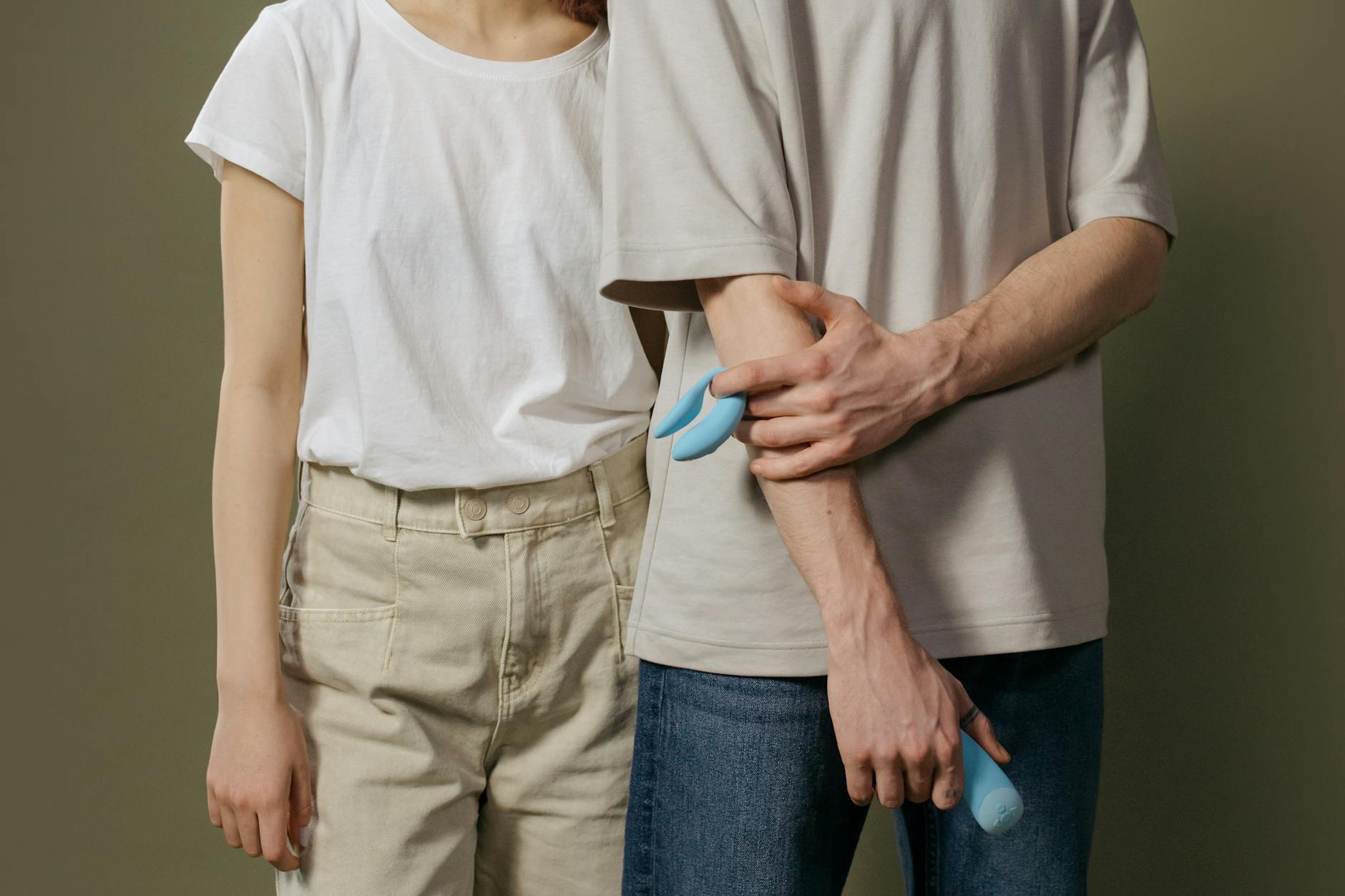
Here's the problem nobody talks about
Performance anxiety doesn't just feel bad. It literally prevents orgasm. Your nervous system switches into fight-or-flight mode, blood flow redirects away from the genitals, and even if you're touching yourself or being touched by someone you trust, nothing happens. Your body has left the room.
The cruelest part is the spiral. You can't come, so you panic about not coming, which makes it even harder to come next time. Three cycles of this and you start avoiding sex entirely.
That's where lemon vibrators and other air-suction clitoral toys change the game.
Why performance anxiety hijacks pleasure
Performance anxiety is a nervous system hijack. Your amygdala, the brain's threat detector, floods your system with cortisol. Blood vessels constrict. Arousal requires parasympathetic activation (the "rest and digest" nervous system), but you're stuck in sympathetic mode (fight-flight-freeze). The wiring doesn't allow both to happen at once.
This isn't weakness. This isn't about not wanting it enough. This is basic neurology.
Women report performance anxiety around orgasm frequency, orgasm timing, noise levels, how "wet" they are, whether they're taking too long. Partners report pressure to maintain erections or come on schedule. Some people catastrophize about whether their body is "broken." All of it kills arousal the same way.
Why lemon vibrators interrupt the anxiety loop
A lemon vibrator's air-suction mechanism works differently than traditional vibration. Instead of vibrating a single spot, it creates gentle pulses of suction and release around the clitoral area. For anxious nervous systems, this matters.
Here's why.
Traditional vibration requires sustained focus on a single sensation. When you're anxious, that focus turns inward. You're not feeling pleasure. You're monitoring whether pleasure is happening, which derails the whole thing. It's like trying to fall asleep while checking whether you're asleep yet.
Air-suction from a lemon clitoral vibrator operates differently. The pattern of suction and release creates rhythm. Your nervous system can sync with external rhythm more easily than it can sustain internal focus. Musicians and dancers know this. The beat does part of the work for you.
Second, the sensation feels qualitatively different. It's less intense initially and builds gradually. Anxious nervous systems feel safer with gradual build. You're not bracing for a jolt. The sensation invites curiosity rather than demanding performance.
Third, the physical mechanism itself is inherently more forgiving. The lem vibrator and similar air-suction toys distribute pressure across a wider area, which means they work with sensitive tissue rather than against it. If your anxiety has made you tense and constricted, this gentler initial contact actually allows your body to relax enough to respond.
How to use a lemon vibrator to rewire the anxiety response
This is deliberate, unsexy work. Do it anyway.
Step 1: Reframe the session as exploration, not performance.
You are not trying to come. There is no goal. You're gathering data about what sensations feel good right now, in this moment. That mindset shift is everything. Tell your partner (if you have one) that this is exploratory. Create permission to stop anytime, to change what you're doing, to feel nothing and be fine with it.
Step 2: Start with the lemon vibrator on the lowest setting, outside clothes.
Yes, outside clothes. Your nervous system needs permission to warm up. You're literally desensitizing the anxiety response by proving that nothing bad happens. You feel a gentle buzz. Your body remains intact. Repeat this for 2-3 minutes.
Step 3: Move slowly.
Once you've acclimated, try direct contact on underwear, then skin, still on the lowest setting. Slow exploration wins here. This isn't foreplay speedrunning. You're building a felt sense of safety with the sensation.
Step 4: Notice what you notice without judgment.
Do you feel tingling? Good. Numbness? Also good data. Boredom? Fine. Arousal building? Excellent. Nothing happens if you keep comparing yourself to an imaginary orgasm standard. You're literally rewiring the neural pathway from "touch" to "judgment" into "touch" to "sensation reporting."
Step 5: If arousal appears, let it move at its own pace.
Anxious people tend to either white-knuckle their way to orgasm or panic and shut down when they feel close. Instead, when you notice arousal building, stay curious about it rather than chasing it. What does building arousal actually feel like in your body? Where do you feel it first? Does it build steadily or in waves? This observer stance keeps the anxiety loop from reactivating.
What changes when you've been doing this regularly
After 2-4 weeks of exploratory sessions with a lemon vibrator, most people report something shifts. The connection between touch and pleasure stops feeling conditional. Your nervous system stops catastrophizing. Your body begins responding more readily because it's not braced for failure.
Many then find that the skills transfer to partnered sex. Your partner touches you, and instead of monitoring whether you're responding "correctly," you can actually feel their touch. It's not magic. It's a rewired nervous system.
For some people, the lemon clitoral vibrator becomes a permanent part of play because the sensation itself is genuinely pleasurable. Others use it to recover and then move on. Both are fine.
The partner piece
If you're in a relationship, your partner's anxiety often mirrors yours. They're worried about "doing it right," worried you're not enjoying it, worried about their own performance. Everyone's stuck in their own head.
The most helpful conversation isn't about technique. It's about removing the scorecard. You might say something like: "I want to spend time exploring what feels good without the pressure to come. Can we try that together?" Invite them to use the lemon vibrator on you. Let them watch and listen to what you enjoy. This moves you both from performance mode into connection mode.
When to get professional support
If you've been using a lemon vibrator consistently for 4-6 weeks and still feel disconnected from pleasure, or if the anxiety is connected to trauma or deeper relationship rupture, talk to a sex therapist or relationship counselor. Performance anxiety sometimes masks something else. A trained professional can help you figure out what.
Also reach out if your anxiety has completely shutdown desire. That's different from orgasm difficulty and usually requires a different approach.
FAQ: Performance Anxiety and Lemon Vibrators
Can a lemon vibrator cure performance anxiety?
No single tool cures anxiety, but air-suction clitoral vibrators interrupt the anxiety loop effectively because their gentle, rhythmic sensation works with your nervous system rather than against it. The key is consistent, low-pressure exploration, not trying to "fix" yourself with a toy. The vibrator is a nervous system reset tool, not a replacement for the mindset work.
Why does performance anxiety make it harder to orgasm?
Anxiety activates your sympathetic nervous system (fight-flight-freeze), which diverts blood away from the genitals and suppresses arousal hormones. Orgasm requires parasympathetic activation (rest-and-digest mode). These two states compete. When anxiety is high, your body physically cannot respond the same way. It's not psychological weakness, it's neurology.
Should I use a lemon vibrator alone or with a partner?
Start alone. Solo sessions remove the pressure of "performing" for someone else. Once you've rebuilt the connection between touch and pleasure on your own, partnered exploration becomes easier. Some people find exploring with a partner using a lemon vibrator actually deepens trust and communication because you're both focused on sensation rather than outcomes.
How long before a lemon vibrator helps with anxiety-related orgasm difficulty?
Most people notice a shift in 2-4 weeks of regular, pressure-free exploration. Some take longer. The timeline depends on how deeply the anxiety pattern is wired. Consistency matters more than intensity. Three 10-minute sessions per week beats one 45-minute session where you're white-knuckling for results.
Is it normal to feel nothing at first with a lemon vibrator?
Completely normal, especially if anxiety has numbed your response. Your nervous system is cautious. Numbness at first is actually a sign you're anxious enough that sensation has dampened. Keep going. That's exactly why you're doing the low-setting, outside-clothes exploration first. You're teaching your nervous system it's safe to feel again.
Can performance anxiety return after I've resolved it?
It can, especially during high-stress periods or after relationship conflicts. But you'll recognize the pattern faster and know how to reset. The lemon vibrator and the rewiring work you've done don't disappear. Think of it as nervous system flexibility. You know how to return to baseline now.
The bottom line
Performance anxiety is a nervous system problem masquerading as a sex problem. Air-suction lemon vibrators and clitoral vibrators work partly because of the sensation itself, but mostly because they invite you into a slower, lower-pressure exploration of your own pleasure. That permission and rhythm do the actual rewiring.
Your pleasure matters. Not someday. Not when you've "fixed" yourself. Now. The lem vibrator is just a tool to help your nervous system remember what you already know: you deserve to feel good.