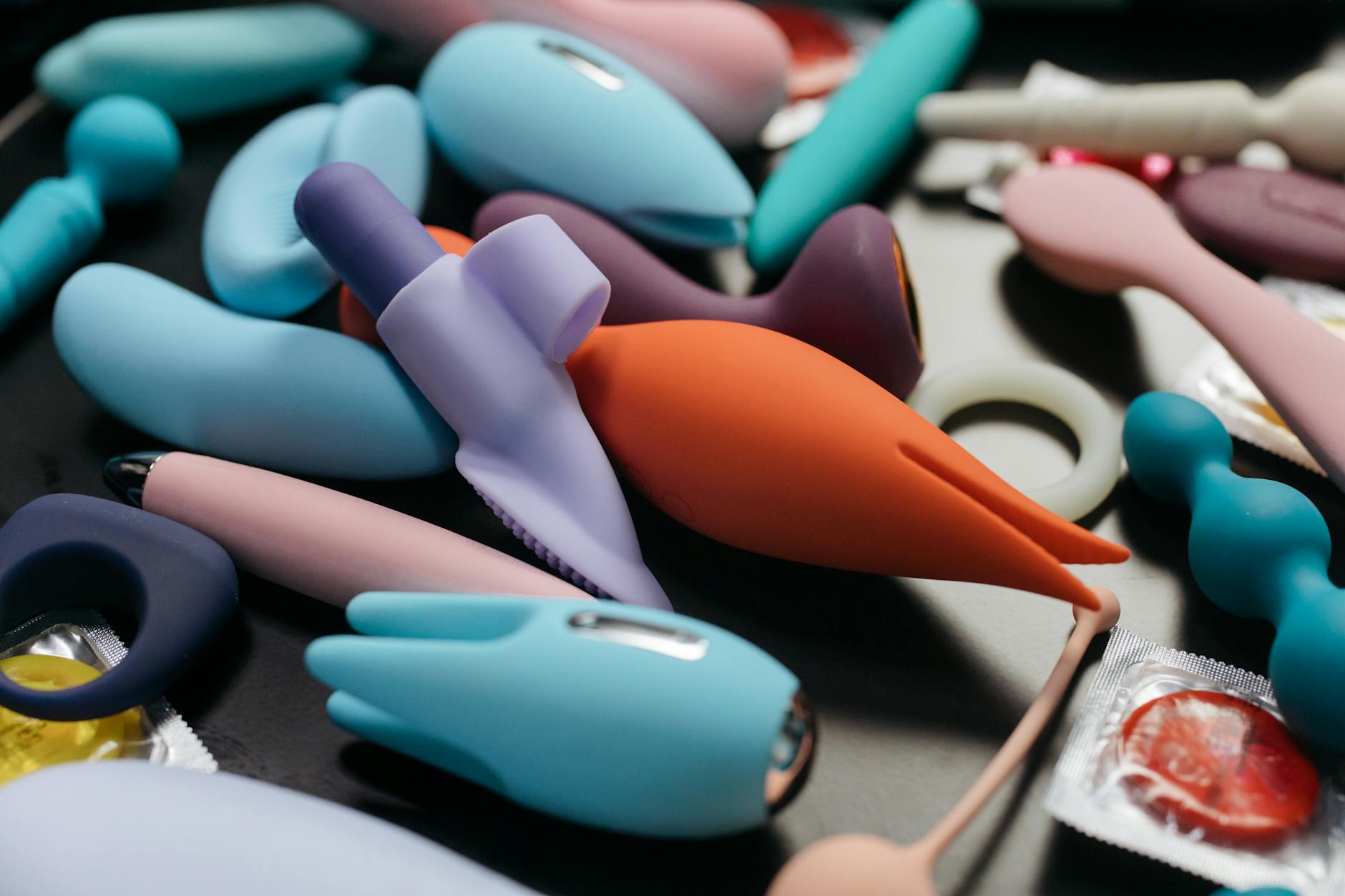
Depression rewires desire like nothing else
Let's start with the hard truth: depression doesn't just lower your mood about sex. It erases desire before you even get there. The neurochemistry that makes pleasure possible gets flattened along with everything else. Dopamine drops. Serotonin tanks. The neural pathways that light up during arousal go quiet.
What I see clinically, over and over, is people blaming themselves for not wanting sex anymore. They assume something is wrong with the relationship, or with their body, or that they've simply stopped being sexual people. None of those things are usually true. Depression is a neurological condition that temporarily rewires how pleasure works.
The good news: pleasure recovery is possible. It doesn't have to wait until you feel "better." In fact, gently reactivating pleasure during depression can actually be part of what makes recovery stick.
Why depression kills libido
Here's what's happening in the brain when depression flattens desire.
Depression lowers dopamine, the neurotransmitter that drives motivation and reward. Without dopamine, nothing feels worth wanting. Sex isn't special in this regard. Food tastes like cardboard. Music sounds hollow. Your favorite thing to do feels pointless. Desire for your partner exists at the same baseline as desire for anything else: nowhere.
Serotonin also drops, which affects mood regulation, anxiety, and your sense of safety in your body. Some antidepressants raise serotonin, which helps the depression, but can further dampen arousal as a side effect. That's not a reason to stop taking them. It's just another layer to work around.
At the same time, depression cranks up cortisol and adrenaline. Your nervous system is stuck in a low-level threat response. Your body is literally using energy to manage anxiety, leaving less of yourself available for pleasure.
The result: you don't just feel less turned on. You feel less able to turn on.
Why pleasure recovery during depression matters
I sometimes hear this logic: "I'll work on pleasure once I'm not depressed anymore." It makes sense, but it's often backwards.
Small acts of pleasure during depression aren't selfish or trivial. They're evidence to your nervous system that good things still exist. They interrupt the flatness. They're also evidence to your brain that recovery is possible, which paradoxically helps recovery move faster.
When you're depressed, waiting for motivation to return before you act is like waiting to feel like exercising before you exercise. The feeling follows the action, not the other way around.
That doesn't mean forcing yourself into performance. It means gently exploring small pleasures in a zero-pressure way. A lemon clitoral vibrator works particularly well for this because it doesn't require the mental energy of partnered sex, and it doesn't demand a particular outcome.
How lemon vibrators fit depression recovery specifically
A few reasons lemon sexual toys are useful during low-libido periods.
First, air-suction stimulation works at lower arousal levels. Traditional vibration requires a certain baseline of engorgement and nerve sensitivity to feel good. When you're depressed, you might not have that. A lemon sucker like the Lem works differently. The gentle suction stimulates the clitoris through the principle of air-pulse technology, which creates sensation without requiring your tissue to be fully aroused first. You can explore pleasure before you feel like you should feel pleasure.
Second, you can start at the beginning. Lemon vibrators have multiple intensity levels. You're not committing to a sensation. You're testing where your body is today. Depression is a moving target, and your pleasure capacity might shift week to week. A tool with variable settings lets you stay curious instead of frustrated.
Third, there's no performance expectation. Solo exploration with a clitoral vibrator removes the pressure to perform for someone else, to come at the "right" time, or to want this "correctly." You're just checking in with your body. That removes a huge barrier when depression is already making you feel broken.
Practical steps to restart pleasure during depression
If you're thinking about exploring this territory, here's what I actually recommend.
Choose a time when you have five uninterrupted minutes and your nervous system is relatively calm. Not right when you wake up dysphoric, not late at night when rumination is worst. A midday slot, or an hour when you know you won't be interrupted, works better. Your brain needs minimal threat signals to explore pleasure.
Set zero expectations about outcome. You're not trying to orgasm. You're not trying to feel turned on. You're exploring. If something feels good, notice it. If nothing much happens, that's data too. Both are normal.
Start with the lowest intensity setting. Even if you used to love higher settings, depression changes your capacity. You might be surprised how much sensation you feel at level one. Climax toward higher intensities only if it feels right.
Do this alone first. Partnered pleasure is a separate conversation. Solo exploration without the mental load of someone else's pleasure or expectations removes barriers. Once you've checked in with yourself, partnered exploration becomes a choice, not a performance.
Keep it regular, even if brief. Consistency matters more than duration. Two minutes twice a week teaches your nervous system that pleasure is still available. That matters neurologically.
When depression is also affecting your relationship
If you have a partner, depression complicates sex in a second way. Your partner might feel rejected. You might feel guilty for not wanting them. That guilt can actually deepen the depression. It becomes a closed loop.
Here's what helps: separate the two conversations. "I'm depressed and my desire is flatlined" is different from "I need help feeling close to you." One is neurochemical. The other is relational. You can address both, but not if you're blending them.
Exploring pleasure solo with a lemon clitoral vibrator can actually help here. It shows both of you that your capacity for pleasure is real, even if it's dormant. It gives your partner concrete evidence that this isn't about them. And it gives you a way to rebuild connection without the pressure of full partnered sex.
When you're ready, you can invite your partner into that exploration. But the solo part first removes the weight.
The medication question
Some antidepressants lower libido as a side effect, and that's real. But stopping medication to fix your sex drive is like stopping insulin to lose weight. You're treating the symptom by worsening the disease.
If medication is tanking your desire, talk to your prescriber. There are options: adjusting timing of doses, switching medications, or adding something to offset the sexual side effect. These are common conversations. Your doctor will have encountered this before.
In the meantime, a lemon vibrator can help you maintain some pleasure capacity while you and your doctor figure out medication adjustments.
Signs you need more support
Pleasure recovery is part of healing, but it's not a substitute for professional mental health care. If you're depressed, talk to a therapist or psychiatrist. A vibrator is a tool, not a treatment.
Seek help if your depression is deepening, if you're having thoughts of harming yourself, or if nothing is shifting after a few weeks of gentle exploration. Those are signs you need support beyond self-care, and that's exactly what that support is for.
The bottom line on pleasure during dark periods
Depression doesn't mean you'll never want pleasure again. It means pleasure is temporarily harder to access. A lemon clitoral vibrator can help you gently explore that access point without pressure, guilt, or performance anxiety. That matters, neurologically and emotionally.
Start small. Stay curious. Be patient with yourself. Pleasure will come back. Sometimes it comes back slowly, sometimes it rushes back all at once, but it does come back.
If you're looking to deepen your understanding of how pleasure recovery works across different life phases, our guide to using a lemon vibrator after a long sexual break covers the same principles. And if you're navigating this with a partner, we have detailed conversation starters for introducing a lemon vibrator to your partner when you're nervous.
People also ask
Can I use a lemon vibrator if I'm on antidepressants?
Absolutely. If anything, a lemon sexual toy can help you work around libido-dampening side effects. The air-suction technology works at lower arousal levels than traditional vibration, so it might help you access pleasure even when antidepressants are making desire harder to reach. Talk to your doctor about your medication if you're concerned about sexual side effects, but using a vibrator won't interact negatively with antidepressants.
How long does it take for libido to come back after depression?
It depends on how long depression lasted, how severe it was, and whether you're actively working with a therapist or psychiatrist. Some people notice desire returning within weeks of starting treatment. Others take months. There's no fixed timeline. The important thing is consistency and patience with yourself. Solo exploration with a clitoral vibrator can help you reconnect with pleasure during the waiting period.
Is it normal to feel nothing when using a vibrator during depression?
Completely normal. Depression flattens sensation along with everything else. You might not feel much at first, or you might feel something unexpected. Neither means something is wrong with you or the vibrator. It's just your nervous system being where it is right now. Keep the pressure off. Exploration without outcome expectations is the whole point.
What if my partner doesn't understand why I want to explore solo with a lemon vibrator?
That's a separate conversation worth having. You might say something like, "Right now, I'm working on reconnecting with my own pleasure without the pressure of partnered sex. Once I've done that, I'd like us to explore together." If your partner feels rejected by solo exploration, that's a relationship conversation, possibly one worth having with a couples therapist. Pleasure recovery during depression is valid and important.
Can using a lemon clitoral vibrator actually help depression?
A vibrator isn't a treatment for depression. But small acts of pleasure can interrupt the flatness and send signals to your nervous system that recovery is possible. That matters neurologically and psychologically. The real treatment is therapy, medication if appropriate, and time. A lemon vibrator is a supportive tool, not a replacement for professional care.
What if I'm too depressed to even try?
Then don't. Forcing yourself into pleasure exploration when you're barely getting out of bed is just adding pressure. Wait until you have a bit more capacity. Talk to a mental health professional about what you're experiencing. Sometimes the smallest gesture toward pleasure happens when depression is already lifting slightly. Be patient with yourself. Recovery isn't linear.