
Pleasure can feel like a foreign country after processing trauma
Let's be real. When you've spent months in therapy unpacking what happened, the last thing your nervous system wants is anything that feels intense, invasive, or out of control. And yet somewhere in that healing process, you start thinking: I want to feel good again. I want to want things. I want to know my body can feel pleasure without triggering panic.
That gap between wanting to heal and actually feeling safe enough to explore is exactly where a lemon vibrator changes everything.
Why air-suction feels safer than traditional vibration
Traditional vibrators create noise, strong oscillation, and direct pressure that can feel overwhelming to a nervous system that's been on high alert. Air-suction technology works completely differently. A lemon clitoral vibrator uses gentle suction pulses that stimulate without the jarring sensation of mechanical vibration. For people rebuilding intimacy after trauma, this distinction matters enormously.
The lem vibrator, for example, delivers sensation through consistent, rhythmic suction rather than buzzing. This means your body can anticipate what's coming. There's no surprise jolt. You're not bracing against intensity you didn't sign up for. Control is entirely in your hands, literally. You set the rhythm, the pressure, the pause. That agency is therapeutic in itself.
Most of my clients who've experienced sexual trauma or assault find that air-suction tools feel less like an "invasion" and more like a conversation with their own body. That's a meaningful psychological difference.

Photo by Olga Lioncat on Pexels
The three foundations before you even turn it on
Using any pleasure tool after trauma isn't just about the device. It's about the conditions you create first. Three things matter most.
1. Physical safety. Your environment needs to feel genuinely safe. This might mean locking the door, putting your phone in another room, or timing it for when you know you won't be interrupted. If you live with a partner, they should know what you're doing and respect the boundary without requiring details. Physical safety isn't paranoia. It's a prerequisite for nervous system regulation.
2. Emotional permission. This is harder than it sounds. Healing from trauma often comes with a voice saying "You don't deserve pleasure" or "You should have said no back then, so you shouldn't want this now." Those thoughts are normal after trauma. They're also not useful. Before you begin, name the permission: "My pleasure matters. This is for me. I deserve to feel good." Say it out loud. Awkward? Yes. Necessary? Also yes.
3. The pause plan. Know in advance that you can stop anytime for any reason. Have a way to pause the device instantly (the lem has simple one-handed controls exactly for this). Know how you'll self-soothe afterward if sensation becomes too much. This might be wrapping in a blanket, drinking water, or sitting quietly. Planning the pause beforehand makes actually using the device feel radically less risky.
Starting with the absolute lowest intensity
Most lemon vibrator users recommend beginning at pattern one on the lowest setting. If you're rebuilding intimacy after processing trauma, go lower than that. Use the device fully clothed first. Let your body meet the sensation gradually.
The point here isn't to reach orgasm. It's to practice the data point: "I introduced sensation to my body on my terms, and I was safe." Repeat this data point five, ten, twenty times. Each successful experience rewires your nervous system slightly. You're not trying to "get there." You're building evidence that pleasure is safe.
Many people find that the first few sessions are just about becoming comfortable with holding the device, pressing the power button, and feeling the air-suction start. That's the entire goal. Nothing more is required.
Why a lemon sucker works better than partnered touch for early rebuilding
If you're in a relationship, partnered intimacy will probably come back into the picture eventually. But early in trauma recovery, solo exploration with a tool like a lemon clitoral vibrator can feel safer than partnered touch because you control literally every variable. Your partner can't accidentally go too fast. They can't misread your signals. They can't get frustrated if you need to stop.
This solo work isn't selfish or separatist. It's foundational. You're learning your body's signals in isolation, which makes it infinitely easier to communicate those signals to a partner later. How to Use a Lemon Vibrator With Your Partner When You're Nervous covers the transition thoughtfully, but the solo phase comes first for good reason.
Managing the freeze response and dissociation
Some people notice that when they start using a pleasure tool after trauma, they "check out." Your mind goes blank. You feel numb or distant from your body. This is dissociation, and it's a very common nervous system response to sensation when your body doesn't fully trust safety yet.
This is not failure. It's data. If dissociation happens, pause. Notice what led up to it. Was the intensity too high? The session too long? Was there a sound or smell that triggered an association? Next time, adjust one variable and try again.
Grounding techniques help tremendously. Before you begin, name five things you can see right now. This activates your prefrontal cortex and anchors you in the present moment. Some people also find that touching the device with both hands, rather than one, creates a more grounded sensation.
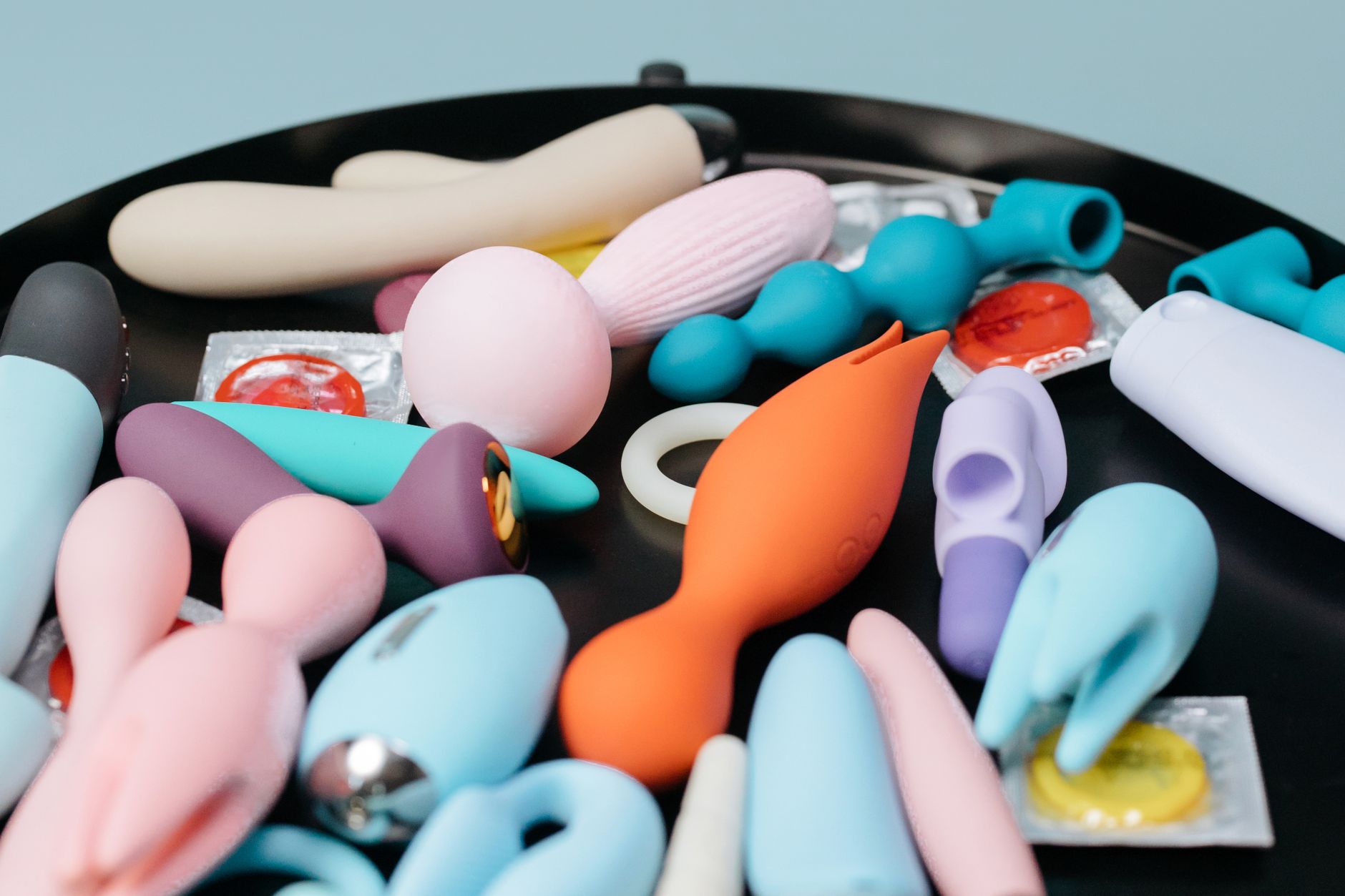
Photo by cottonbro studio on Pexels
The orgasm conversation: presence matters more than climax
After trauma, orgasm can feel like a goal that creates pressure rather than a natural outcome. When you're using a lemon vibrator during recovery, I actually recommend deprioritizing orgasm entirely for the first month or two. The goal is presence. Can you feel sensation? Can you breathe steadily? Can you stay aware of your body rather than leaving it?
If an orgasm happens, wonderful. If it doesn't, that's equally valid. Many people rebuilding intimacy find that orgasm comes later, once the foundation of safety is solid. Rushing toward climax creates the same pressure and performance mentality that often contributed to the trauma in the first place.
This is where air-suction technology shines again. Because the sensation is rhythmic and consistent rather than jarring, your nervous system doesn't spike into fight-or-flight the way it might with traditional vibration. That calm consistency actually helps you stay present, which indirectly makes reaching orgasm more possible down the line.
Checking in with yourself afterward
How you feel immediately after using a lemon vibrator matters as much as how you feel during. Some people feel a wave of relief, pride, or tenderness toward themselves. Some feel nothing particular, which is fine. Some feel a bit emotional or vulnerable, which is also normal.
Spend five to ten minutes after just sitting with whatever comes up. This is not therapy, but it is self-attunement. You're learning to notice your own emotional landscape. If you consistently feel worse after using a pleasure tool, that's useful information too. It might mean the intensity needs to stay even lower, or it might mean this particular tool isn't right for you yet, or it might mean you need more support from a trauma-informed therapist before introducing solo pleasure exploration.
There's no shame in any of those conclusions. Healing is nonlinear, and so is rebuilding intimacy.
When to involve a partner (and how to start that conversation)
The timeline is different for every person. Some people rebuild pleasure solo for weeks before introducing a partner. Others feel ready after days. Neither pace is "right." The readiness signal is when you've had several successful solo sessions and you feel curious, not anxious, about involving your partner.
The conversation matters enormously. Instead of "I've been using a vibrator and want to incorporate it with you," try "I've been working on rebuilding my relationship with pleasure. I'd like to explore that together, and I want to make sure I can pause anytime." This frames the device as a tool for your own healing and safety, not as something you're doing to him or her.
Your partner should know that you might need to stop. They should know that communication will be essential. They should know that your recovery matters more than any specific outcome. If they can't hold those boundaries with you, that's information about the partnership itself, and it belongs in the larger conversation about whether this relationship serves your healing.
FAQ: Rebuilding intimacy with a lemon vibrator after trauma
Is it normal to feel scared when I first turn on a lemon vibrator? Absolutely. Fear is a sign that your nervous system is taking the situation seriously. That's not a bug, it's a feature. Start with the device fully clothed and at the lowest setting. The fear often drops once you realize you're in control and nothing surprising happens.
Can I use a lemon clitoral vibrator if I have numbness or reduced sensation from trauma? Yes. In fact, the gentle sustained suction of air-suction technology often works better for desensitized tissue than traditional vibration. You might need to keep it on one of the higher patterns for longer periods, but the consistent pressure is generally more effective than buzzing at restoring sensation awareness.
What if orgasm feels unsafe or triggering? Then don't pursue it. The goal during trauma recovery is presence and safety, not climax. Orgasm will likely return naturally once your nervous system trusts that pleasure isn't dangerous. Forcing it creates the opposite of healing.
Should I tell my therapist I'm using a lemon vibrator? If you have a trauma-informed therapist, yes. This isn't shameful. It's healing work. Your therapist can help you process what comes up and troubleshoot if something feels unsafe. They can also help you identify whether solo exploration is the right current step or whether you need more stabilization first.
How do I know if I'm progressing? Look for small expansions. Can you leave the device on for longer? Can you use a slightly higher intensity? Can you feel sensation without immediately dissociating? Those micro-progressions are the actual markers of healing, not whether you're achieving orgasm.
Is using a lemon sucker instead of a traditional vibrator a sign something's wrong with me? No. It's a sign you're making an informed choice that honors your nervous system. Healing from trauma means working with your body's actual signals, not against them. That's wisdom, not weakness.
The longer arc of rebuilding
Using a lemon vibrator during trauma recovery isn't a quick fix. It's a tool that helps you practice the experience of safety, control, and pleasure over and over again until your nervous system starts to believe it. Each successful session is a small piece of evidence that pleasure can exist without danger, that your body can want things, that you're reclaiming territory that was taken from you.
This process takes time. Some people find themselves ready for partnered intimacy within weeks. Others need months. Both are normal. What matters is that you're moving toward pleasure on your own terms, at your own pace, with a tool that feels genuinely safe.
If you're in the early stages of this journey, How to Use a Lemon Vibrator After a Long Sexual Break Without Pain or Pressure offers additional grounding strategies. And remember: your therapist, your partner, and your own instincts are your best guides. The lemon vibrator is just the tool. You're doing the real work.
Sources and further reading
- van der Kolk, B. (2014). The Body Keeps the Score: Brain, Mind, and Body in the Healing of Trauma. Penguin.
- Trauma and Recovery Support Coalition. (2024). Nervous system regulation and sexual healing. Retrieved from https://www.traumarecoverycoalition.org
- Porges, S. W. (2011). The Polyvagal Theory: Neurophysiological Foundations of Emotions, Attachment, Communication, and Self-regulation. W.W. Norton & Company.
- Taormino, T. (2018). The Ultimate Guide to Sex and Disability. Cleis Press.