Here's the thing about pleasure and time
Most people chase orgasms like they're late for work. Get there, finish, move on. But here's what actually happens to your body when you slow down: your nervous system shifts. Your arousal deepens. Your orgasms become fuller, longer, and way more intense. Rushing doesn't save time. It wastes the whole point.
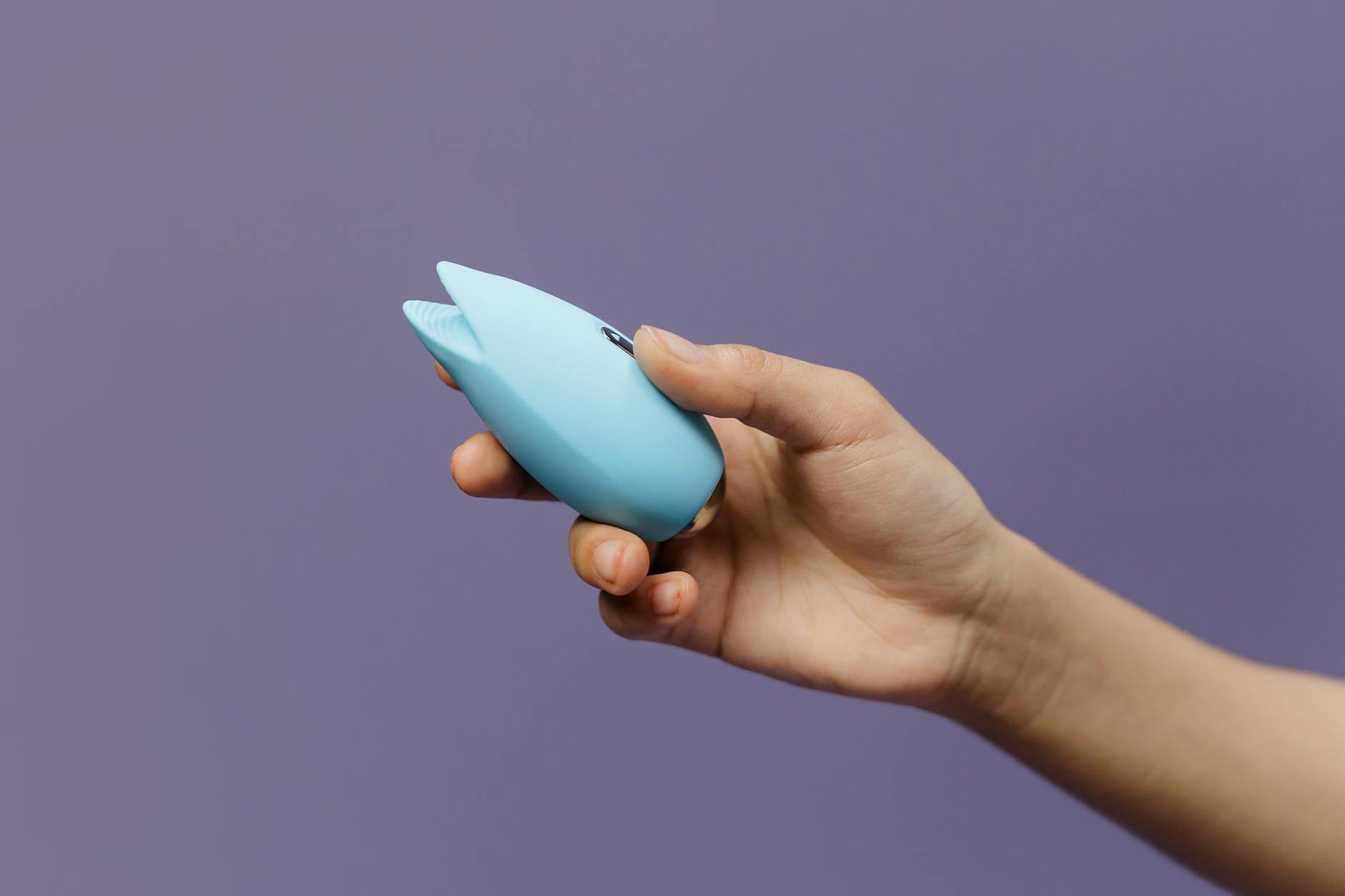
Lemon vibrators like the Lem are built for this. Air-suction technology doesn't require the aggressive pressure of traditional vibrators, which means you can sustain sensation for 20, 30, even 45 minutes without the numbness that kills pleasure. The key is pacing, not just time.
Why your body needs slow buildup
Your nervous system has two modes: fight-or-flight and rest-and-digest. When you rush toward an orgasm, you're staying in fight-or-flight. Your body tenses, your breathing gets shallow, and you can feel pleasure, but you're experiencing it from a place of urgency.
When you slow down, something shifts. Your parasympathetic nervous system activates. Blood flows more deeply into tissue. Arousal builds in waves instead of spikes. This isn't just nicer. It's neurologically different. The orgasms that come from this state register at a different intensity level entirely.
With lemon clitoral vibrators, this becomes even more pronounced because suction-based stimulation naturally encourages this kind of buildup. You're not fighting friction. You're gradually increasing sensation in a way that your body can absorb without adaptation.
The pacing framework that actually works
Here's how to structure an extended session with a lemon vibrator so you're building instead of just stalling.
Phase one: arrival (5-10 minutes). Don't start with the toy yet. Set the environment. Dim the lights, silence your phone, feel the weight of your body on the bed or couch. Breathe deliberately. Place your hand on your vulva and just feel. Warm yourself up. Your tissue needs this time to awaken.
Phase two: introduction (5-7 minutes). Bring the lemon vibrator in at pattern 1 or 2. Low. Almost gentle. The urge will be to jump to a higher setting. Don't. You're teaching your body that pleasure is patient. Let sensation build slowly. Notice what you feel without trying to intensify it.
Phase three: exploration (8-12 minutes). Now you can move between patterns. Stay in the 2-4 range. Vary the angle of contact. Move the toy in small circles. Move it away and back. This isn't about chasing sensation. It's about discovering which combinations feel deepest. Pay attention to what makes your breathing change.
Phase four: building (5-10 minutes). Your arousal is ramping up. You can feel it in your breath, in how your legs are responding, in how sensitive you've become. You might move to pattern 4 or 5. But here's the trick. Move up one pattern, hold it for 30 seconds, then drop back to pattern 3. This rhythm of climbing and dropping teaches your body to crave the next climb. Your nervous system gets activated by the contrast, not the absolute intensity.
Phase five: the approach (3-8 minutes). You're close. Your impulse is probably to slam the vibrator into high and finish. That works if you want an orgasm. It doesn't work if you want a really good one. Instead, hold the pattern that got you here. Stop moving the toy around. Let your body tighten and build and tighten again. Your orgasm is going to feel different if you arrive at it through restraint.
Phase six: release (variable). When your body is ready, it will tell you. You might have one powerful orgasm. You might have a series of smaller ones that layer. You might experience a longer, lower-intensity rolling sensation that feels like sustained pleasure instead of a peak. All of these are better outcomes than what you get from rushing.
Why numbness happens and how to avoid it
When you use any vibrator continuously at high intensity, your nerve endings adapt. This is called habituation. Your body stops registering sensation as novel, so the vibration feels less intense. You turn it up. Your body adapts again. You end up chasing higher and higher settings to feel anything.
The way you stop this is counterintuitive. Use lower settings, with variability. Pattern 1, then 3, then 2, then 4. The variation prevents adaptation. Your nerves stay engaged because the stimulus keeps changing. You maintain deep sensation throughout a long session without ever needing to go to maximum intensity.
With lemon adult toys specifically, this matters more because the suction-based stimulation is already quite concentrated. You don't need high intensity to feel profound sensation. You need variation and patience.
How pacing changes partnership
If you're doing this with a partner, the dynamic shifts completely. You're not waiting for someone else to be ready. You're not performing. You're inviting your partner into a process where the journey is the point.
Some couples find that taking turns with extended sessions deepens things. One person is fully receiving, fully allowed to focus on sensation without managing anyone else's experience. The other person is witnessing, learning what their partner actually wants, noticing what makes them respond.
If you're using a lemon clitoral vibrator with a partner, let them see the pacing. Let them understand that you're not in a hurry. This communicates something important. It says your pleasure matters enough to take time. That's a bigger turn-on than finishing fast ever could be.
What gets in the way of slowing down
Most people have been trained to feel guilty about pleasure taking time. Somewhere you learned that wanting 30 minutes of touch is selfish or excessive. That's wrong. Neurology isn't selfish.
Some people struggle because they're used to finishing quickly for practical reasons. Kids in the house. Limited privacy. A partner who gets bored. These are real friction points, and they do matter. But they also might be worth troubleshooting separately from the pleasure itself. If you can find even one window per week where you have genuine unrushed time, that's enough to remember what your body is capable of.
Others worry about how long they last, as if durability is a failure. It's not. Your body isn't broken if it takes time to fully relax and respond. It's normal. In fact, the bodies that respond quickly are often in a sympathetic state, not a parasympathetic one. Slow is often the sign you're doing something right.
The physical setup that makes long sessions sustainable
You need a comfortable position where your hips, back, and neck feel supported. A pile of pillows behind you, your knees bent, your weight fully distributed. Not tensed. Not working. If your body is bracing, you're still in fight-or-flight.
Water nearby. Seriously. Longer sessions mean more perspiration, and you'll get dry. Have a water bottle close.
Fabric matters too. Cotton sheets, soft blankets. You want textures that feel good, not clinical. Some people find that light music or a specific audiobook helps them stay present instead of in their head. Experiment.
And honestly, a lemon vibrator is genuinely better for extended sessions than a traditional vibrator. The suction-based stimulation means you're not dealing with the cumulative friction that can lead to rawness or irritation over 30 minutes. You can actually sustain sensation.

Photo by Olga Lioncat on Pexels
Tracking what actually works
After your first few extended sessions, write down what you noticed. Not in a clinical way. Just. Did pattern 3 feel better than 4? Did your arousal build faster when you started with your hand instead of the toy? Did the rhythm of up-and-down patterns create a different kind of orgasm? You're building a map of your own pleasure.
This matters because you're not trying to follow someone else's technique. You're discovering your own. Your nervous system, your tissue sensitivity, your mental triggers. They're individual. The pacing framework I outlined is just that. A framework. Your job is to adapt it until it becomes your ritual.
Many people find that after a few weeks of slower sessions, their entire relationship with pleasure changes. They're less interested in fast. They want depth. They want time. And that shift? It affects how you experience your own body in general, not just during solo sessions.
When to see a specialist
If you're trying to slow down but you're struggling with intrusive thoughts, racing mind, or arousal that won't build no matter what technique you use, that can signal something worth exploring with a therapist. Anxiety, past trauma, or relationship dynamics can all block the parasympathetic response you need for extended pleasure.
There's also the rare scenario where you have genuine nerve damage or tissue conditions that require medical input. A gynecologist who specializes in sexual health can rule that out and offer specific guidance.
But for most people, the block is simpler. You haven't given yourself permission to take time. You think pleasure should be efficient. That's learned, not hardwired. And it can be unlearned just as deliberately.
FAQ — Extended pleasure and lemon vibrators
Is 30 minutes of vibrator use bad for your tissue?
No. Suction-based vibrators like lemon clitoral vibrators are gentler on tissue than traditional vibrators because they don't rely on sustained friction. The key is using varied intensities and taking breaks if you feel any irritation. Most people find they can sustain sensation for 30-45 minutes without issue. If you experience rawness or soreness, that's a signal to adjust your session length or intensity, not that something is wrong with you.
Why does my body want to rush even if I'm trying to slow down?
Your nervous system has spent years in fight-or-flight mode around pleasure. Rushing is what you've been trained to do. Your body is literally habituated to it. This takes time to retrain. Start with 15-20 minute sessions instead of 30. Give your body permission to shift gears gradually. After 3-4 weeks of paced sessions, most people find the urge to rush diminishes naturally.
Can I use a lemon vibrator for an extended session every single day?
You can, but you don't need to. Most people find that 2-3 extended sessions per week, with shorter sessions on other days, gives them the best mix of deep pleasure and ongoing sensation sensitivity. Daily long sessions can lead to desensitization the same way daily high-intensity sessions can. Variety in your routine protects your sensitivity.
What if I live with a partner and don't have privacy for 30 minutes?
Start smaller. 15 minutes while they're occupied. A lemon vibrator is discreet and quiet, so you have more options than you might think. Some couples also find that extended sessions happen less frequently but with real intention. Once a week, with time actually protected, often does more than rushed daily attempts. Quality over frequency.
Does extended pleasure work if I have numbness from antidepressants?
It can help, but it's not a guaranteed fix. Some people find that slower sessions with lower intensity allow them to access sensation that high-intensity vibration couldn't reach. But if numbness is significant, that's worth discussing with your prescriber. Timing, dosage, or medication choice might be adjustable. A lemon vibrator with antidepressant-related numbness requires patient experimentation, not just longer sessions.
How do I know if I'm doing this right?
You're doing it right if your nervous system feels different afterward. Not just physically. Mentally calmer, more present. Your arousal felt like it was happening to you, not like you were chasing it. And your orgasm, if you had one, felt fuller than usual. Those are the signals that you've genuinely shifted into parasympathetic mode. The specifics of which patterns or positions you used matter way less than whether your whole system feels different.
Your pleasure deserves time. Not someday when life is calmer. Now. Even imperfect time, protected deliberately, beats perfect conditions that never arrive. Start with one extended session this week. See what your body remembers when you actually let it breathe.